“Resident Evil”: An Atypical Homage to the Survival Horror Experience
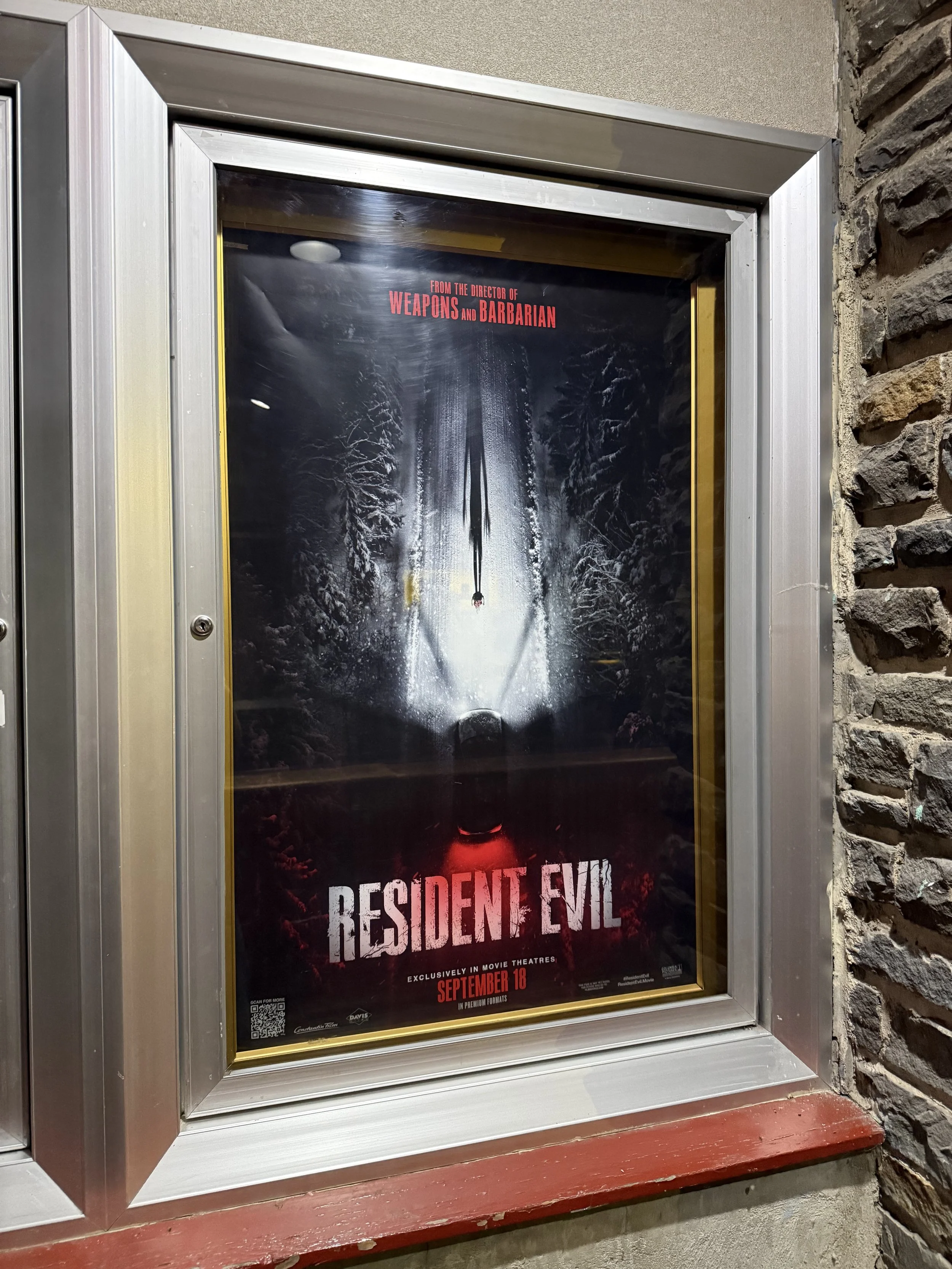
After years of trudging through disappointing adaptations of Capcom’s survival horror game series, audiences have been given another source of hope with the emergence of a new, revamped approach to the world of “Resident Evil.”
The subgenre of video game adaptations concentrates on effectively translating mainstream gaming franchises into the film medium for passionate audiences. For a long time, these adaptations shared a negative connotation, but recent years have shown vast improvement.
A franchise on the downside of this subgenre, Capcom’s “Resident Evil” series shares a laundry list of lackluster portrayals from the 2000s and beyond. Director Paul W.S. Anderson is considered the closest to reimagining the games with his isolated film series, but he slowly deteriorated the source material into a mundane sci-fi action franchise the longer it spanned.
All the time, budget and resources in the world haven’t been enough for studios to manufacture a cure for this filmmaking plague.
Now comes the arrival of one of horror’s hottest minds, coming off his second horror feature that once dominated film discourse. Filmmaker Zach Cregger ascended in the summer of 2025 through “Weapons,” which was nominated for multiple awards while Amy Madigan won the Academy Award for best supporting actress.
But amidst this astounding success, Cregger was deep into production on his next project: a reboot of one of his favorite gaming franchises. Combining the modern, ascending quality of video game adaptations with Cregger’s early yet decorated track record, the objective set for his take on “Resident Evil” was “to reflect not just the fictitious universe of the games, but also the experience of playing them.”
“Resident Evil” (2026) tells an original story set in the world of the games. We follow a courier named Bryan, tasked with delivering a valuable package from a hospital to a discreet location.
Following an altercation with an infected woman, Bryan has unknowingly stepped into an outbreak with zombies and creatures appearing everywhere he wanders. Forced to travel on foot, he must complete his mission while learning to fend for himself across his journey.
With the release of his third horror flick, has Cregger perfected the formula for successful video game adaptations?
As a nice starting point, the cinematography and toned visuals pop out as an homage to the tense atmosphere within the games. In the franchise’s first few installments, the horror elements shine through strongest in tandem with the action.
Cregger’s approach to creating both uncomfortable and unilluminated compositions is where the technical process properly honors the source material. Shots are often fixed tightly on a subject that restricts any levity for the audience, along with that familiar subdued lighting communicating a persistent tone.
Complementary to the film’s visual presentation, different settings heighten the survival horror stylization. A major creative change made by Cregger compared to the games is setting the story in a snowstorm, where the plain white contrasts wonderfully with the color palette and lends the environment an aura.
The story transitions between cabins, dark tunnels and top-secret locations. Each spot is given its time to show out, enlisting a variety that keeps the world fresh.
The film also adapts items from the games. Copying the same design, the protagonist picks up different weaponry to use in action along with ammunition for each firearm. This emphasis on resource management brings audiences right into the games, stressing over the usage of assets that can only get you so far.
Applying his personal craft, Cregger truly captures the experience of “Resident Evil” with this revamped interpretation. However, where limitations start to form in the director’s vision is in relation to a generally thin narrative and a misleading tone.
While the film pitches itself as a full-fledged horror experience, there is a large amount of dark humor that dominates the characters and big sequences. While it works early on in illustrating irony between the protagonist and these horrific situations, it comes to desensitize the tension and quickly overshadows the overall tone. The script could have benefited from another proofread to iron out this uneven balance.
This unfortunately bleeds into the protagonist, Bryan. Austin Abrams elevates the character with his exaggerated reactions and hysterical dialogue, but by serving as an homage to other leads from the games — the everyday person caught up in chaos — he becomes a bit surface-level with no substantial dramatization.
Arguably this rendition's weakest aspect is the ending. The final frame feels abrupt and almost unfulfilling. With its short runtime, a longer duration would have led to a more fleshed out ending that could have left fans with something more to latch onto.
Upon a closer bioassay, Cregger demonstrates an understanding of this widely celebrated gaming franchise and how its mixture of horror and action translates into this challenging medium. The narrative and sappy tone might not resonate with the fans as strongly, but the creative depiction and references make for an exhilarating, enjoyable experience.
Whether “Resident Evil” satisfies all audiences or not, Cregger has established a precedent for successful video game adaptations in the near future.