“Heated Rivalry:” How a Fictional Romance Exposed the NHL’s Unresolved Tensions
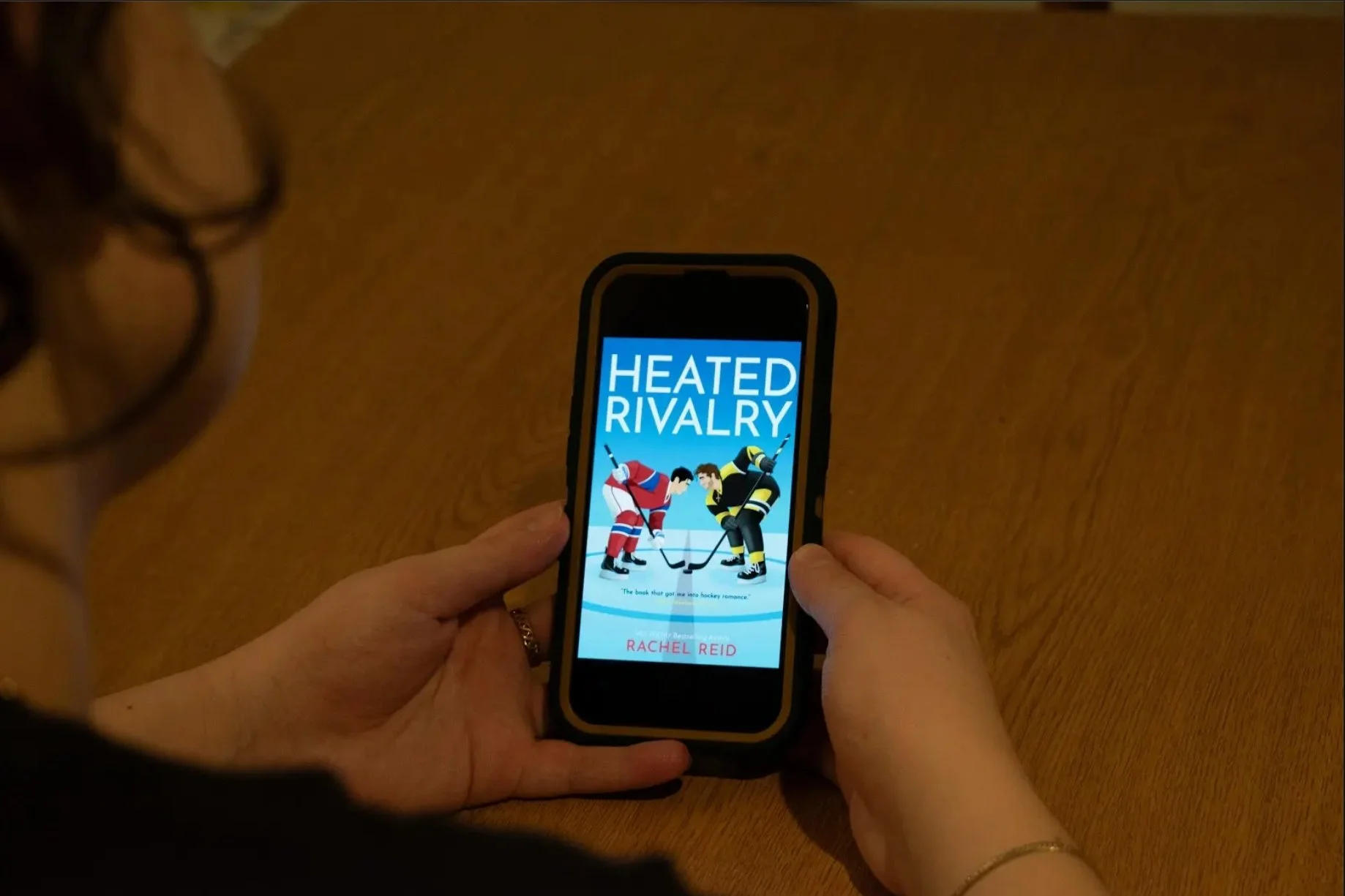
The rising popularity of Rachel Reid's "Heated Rivalry" has prompted viewers to question the difference between fictional hockey and the reality of the NHL. Photo by Lilian DeFilippis '26
When the TV adaptation of “Heated Rivalry” premiered at the end of 2025, it did more than just bring Rachel Reid’s popular book series to life. Starring Hudson Williams as Shane Hollander and Connor Storrie as Ilya Rozanov, the show became an instant hit, especially with younger viewers. However, the show's massive success highlights a growing gap between the hockey we see on screen and the current state of the National Hockey League (NHL).
The story follows two star hockey players from different teams who fall in love over the course of several episodes. Williams plays Shane as the Canadian captain of the Montreal Metros, while Storrie plays Ilya as the Russian star of the Boston Raiders. Together, they show a version of hockey culture that feels entirely different from what we are seeing in real time.
The show moves away from your typical "tough guy" stereotype that has defined the sport and professional athletics for decades. For many fans, this is a major shift. It offers a vision of the sport where queer athletes can be superstars and league MVPs without their identity being seen as a "distraction" to the team.
“It’s a story we don’t get to see and celebrate. Not just in TV but in real life. At this time, there are no male professional athletes in the big five sports here that are out,” R.K. Russell, former pro athlete who in 2019 became the first out active NFL player to identify as bisexual, said in an interview with The Today Show.
“That representation, and that taboo of male athletes being queer, vulnerable and soft, we don’t see and root for. ‘Heated Rivalry’ allowed for this subject that we have great intrigue of but little representation,” Russell continued.
The show explores how masculinity can be both strong and emotional, suggesting that being a great player and being a queer man are not at odds. This representation is a breath of fresh air for an audience that has long felt ignored by the professional sports industry.
While the show depicts progress and acceptance, the real-world NHL is still struggling with these issues. Over the last few years, the league has faced heavy criticism for several decisions.
One major example is the controversy over Pride jerseys back in 2023. After a small number of players refused to wear them, the league eventually stopped teams from wearing any special warmup jerseys at all.
“Today’s decision means that the over 95% of players who chose to wear a Pride jersey to support the community will now not get an opportunity to do so,” the organization said in a statement, according to NBC News.
“The work to make locker rooms, board rooms and arenas safer, more diverse, and more inclusive needs to be ongoing and purposeful, and we will continue to work with our partners at the NHL, including individual teams, players, agents and the NHLPA to ensure this critical work continues,” the statement continued.
The professional hockey world often prioritizes tradition and keeping a low profile over individual expression, which can make it a difficult environment for LGBTQ+ fans and athletes to feel they truly belong.
When fans watch Williams and Storrie, they aren't just watching a romance; they are watching a version of the sport they wish existed in real life. Storrie’s performance, in particular, has been praised for showing that a player can be “tough” and “elite” on the ice while still being emotionally complex.
The show’s high ratings, with episode five of “Heated Rivalry” now being one of the highest-rated episodes of all time according to IMDb, and the viral social media conversations surrounding it, suggest that there is a huge audience for a more inclusive version of hockey.
The show acts as a response to the NHL’s unresolved tensions around identity and progress. It asks a simple but difficult question: who is allowed to belong within the sport? By providing the representation that the real league lacks, the story of Shane and Ilya has become a space where fans can finally see themselves in the game they love.
“These stories matter. Visibility matters. Showing that athletes can love freely at the highest level matters. But so does remembering the generations who had to choose between the game, their safety and themselves,” Matt Kenny, former competitive hockey player, said in a post via Instagram.
The success of the series shows that the public is ready for a more modern hockey culture. While the NHL continues to deal with internal conflicts over how to move forward, fans are finding the belonging they crave in fiction. The big question remains whether the real league will eventually catch up to the version of the sport being celebrated on TV.