The Longest Shutdown In History Comes To An End
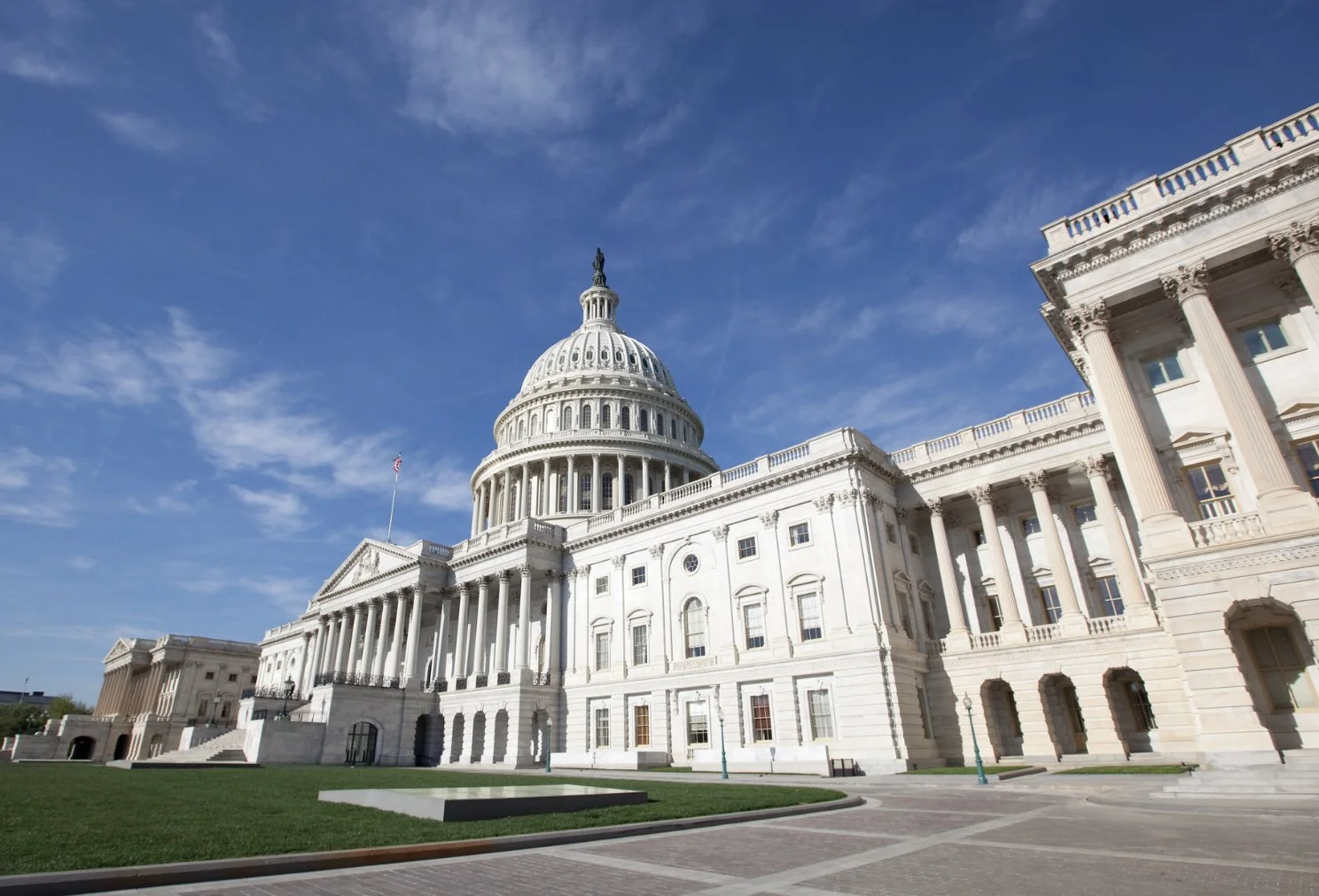
United States Capital building, Washington D.C. Photo courtesy of Ed Schipul via Flickr
On Nov. 12, the United States government resumed operation, effectively ending the 43-day shutdown, the longest and most influential shutdown in our nation’s history.
Over the course of the 43-day shutdown, 670,00 federal employees were furloughed, and 730,000 federal employees worked without pay. Over the course of the 43-day shutdown, 42 million Americans lost their SNAP benefits. Over the course of the 43-day shutdown, it has been estimated that the GDP permanently lost $11 billion in inflation adjustment.
This shutdown, like all of the ones prior, was caused by Congress failing to pass an appropriate budget for the fiscal year by the deadline (Oct. 1). This, in turn, halted many federal operations such as museums, national parks, food assistance and discretionary funding.
This particular shutdown was brought on due to a dispute in Congress over the future of the enhanced premium tax credits associated with the Affordable Care Act, also known as Obamacare.
The enhanced tax credits were set to expire by the end of 2025. Democrats in Congress insisted on including an expansion of these benefits in the funding bill, as without it, millions of Americans would face higher healthcare costs (average increase of 114%) or run the risk of losing their insurance entirely. Republicans in Congress saw these subsidies as too expensive, and thus no budget was agreed upon.
This disagreement caused the longest government shutdown to date.
After nearly 40 days of the government being inoperable, eight Senate Democrats decided to vote with Republicans to end the shutdown due to a proposed compromise. The compromise entailed that the government would reopen as soon as possible, and a vote would be held in December regarding the health subsidies, as promised by Majority Leader John Thune of South Dakota.
On the 43rd day, President Trump signed a government funding bill to end the shutdown that stressed out federal employees, air travelers and food-stamp beneficiaries alike. This bill will keep the government open until Jan. 30, when a budget will be debated once again by Congress.
However, just because the government is now open, that does not mean everything simply goes right back to normal.
The economic hit from this shutdown is exponentially worse than the 2018-2019 shutdown, according to an analysis by Anderson Economic Group LLC.
"We won't have the government statistics for at least a month, but the private sector information we have now shows worse effects in 2025 than in the last episode that ended in January 2019," said Patrick Anderson, the firm's principal and CEO.
As for federal employees, back pay is guaranteed; however, many people do still live paycheck-to-paycheck, thus, they are just now financially recovering.
Additionally, federal employees must now catch up on a significant backlog of work that was not deemed necessary during the shutdown, which will take a decent amount of time and cause a multitude of stress on these employees.
A major focus during the shutdown was air travel. Safety concerns, flight delays and cancellations all became very prominent without air traffic controllers being paid and many not showing up to work, causing a shortage.
Thus, during the record-breaking shutdown, the FAA placed 40 major U.S. airports under flight restrictions that included a 10% cut in flights.
It was originally thought that the shutdown-era flight limits that were enacted would take weeks to months to end, causing many Americans to worry about their holiday travel. However, on Nov. 16, the FAA announced an official end to the shutdown-era flight limits, effectively returning all air travel procedures to normal.
With the history-making government shutdown over, we are going to see our government slowly revert to normal. However, this does not mean the economic or federal effects won’t be felt for months to come, nor is this situation far behind us, as it could all repeat itself in January.