Measles Outbreak Creates State of Emergency in New York
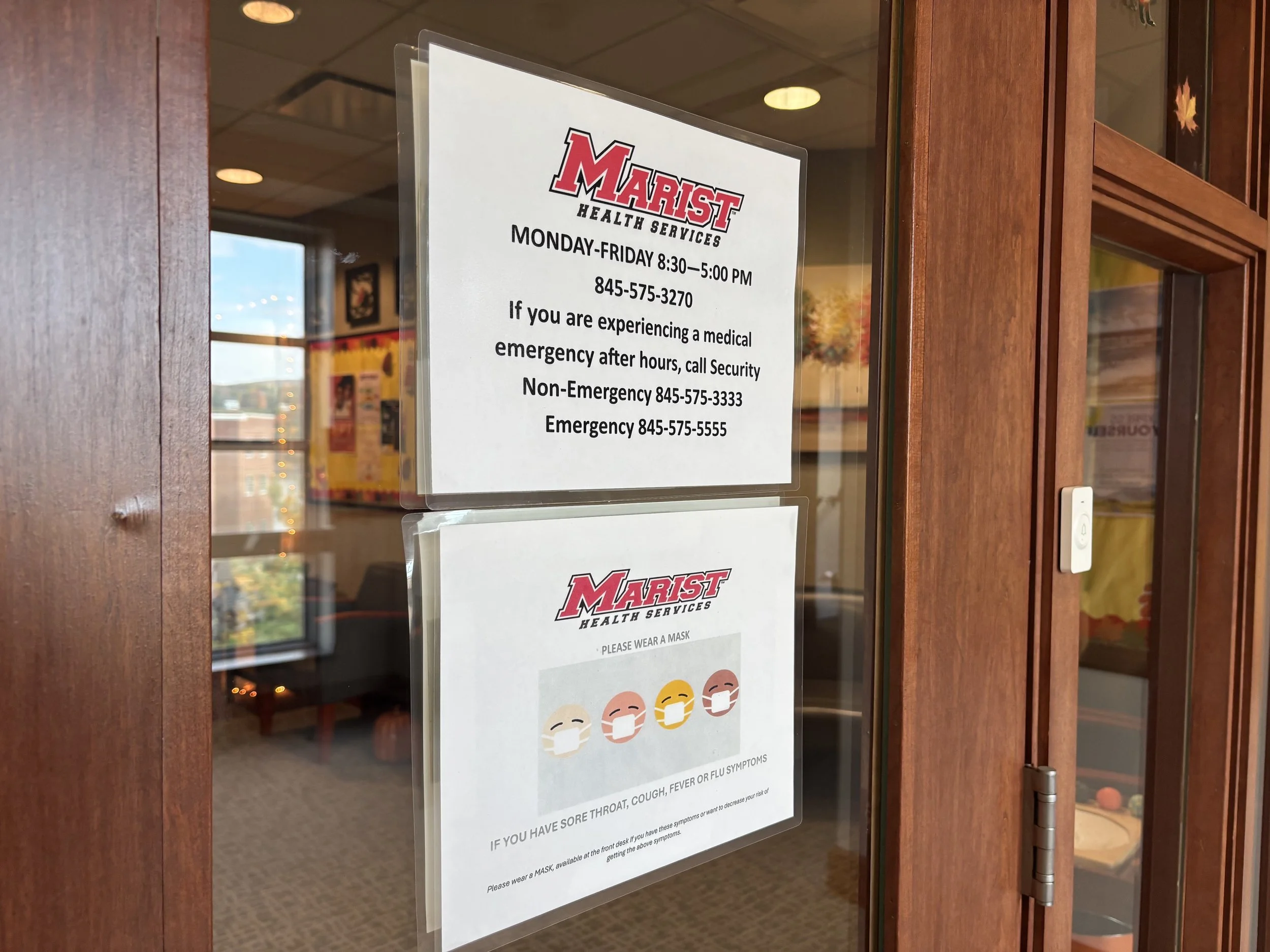
Reach out to Marist Health Services to learn more about the disease and how to protect yourself and others.
Photo by Jacquelyn Drain '27
New York Gov. Kathy Hochul declared a state of emergency earlier this month in response to an increasing number of measles cases.
As of Oct. 3, 108 cases had been reported in New York State this year. Of these cases, 101 have come from outside of New York City. There have been no confirmed cases in Dutchess County to date.
Hochul issued a statement following the declaration: “No one should get seriously ill or die from a vaccine-preventable disease. That is why I have taken steps to increase the number of health professionals who can vaccinate and test,” she said. “These emergency measures will protect New Yorkers and support our community partners as they work tirelessly to address the spread of this disease."
New York state’s outbreak follows a national trend of increasing measles cases. There have been over 4,000 cases reported so far this year, according to the Centers for Disease Control and Prevention. This number is nearly double the number of cases in 2025. A majority of the cases have occurred in children and teens ages five to 19.
Pennsylvania has been hit especially hard, prompting concern as the outbreak spreads across the region. As of Oct. 9, the state had reported 1,136 cases in 2026 and five associated deaths. Another 157 of these cases were reported in the preceding week. Of these cases, 33% were in patients under 18 years old.
Measles is a highly contagious disease caused by a virus. Its symptoms include a rash, fever, coughing, runny nose and conjunctivitis. It is especially common in children under 5 years old.
Vaccination has led to the stark decrease in the illness's prevalence. The measles vaccine was invented in 1963 and the second dose began being recommended in 1989. Two vaccines protect against measles: MMR and MMRV. The MMR vaccine protects against measles, mumps and rubella, while the MMRV vaccine also protects against chickenpox. The disease was declared eliminated from the United States in 2000, meaning continuous transmission had been interrupted for more than 12 months.
This outbreak comes after Health and Human Services Secretary Robert F. Kennedy Jr. alleged that some vaccinations may cause harm. Earlier this month, he announced the launch of an agency-wide effort to investigate claims of health problems following vaccination. This decision comes after a federal judge blocked Kennedy’s decisions on vaccine policy after finding that he had unlawfully replaced members of the vaccine policy committee.
Department of Health and Human Services spokesman Andrew Nixon said, "HHS looks forward to this judge's decision being overturned just like his other attempts to keep the Trump administration from governing."
Vaccination rates have been declining nationwide. The percentage of kindergarteners vaccinated nationwide decreased by 2.8 percentage points from the 2019-20 school year to the 2025-26 school year. According to the CDC, 95% of the reported cases of the virus occurred in unvaccinated patients or those with an unknown vaccination status.
This decline has left approximately 280,000 kindergartners at a high risk of contracting the illness. About 90% of people who haven’t developed immunity through vaccination or prior infection will become infected when exposed to someone with measles. Though it is rare, some vaccinated people can still contract the virus.
Marist University does not require students to provide proof of vaccination against COVID-19, though vaccination is strongly encouraged. Meningitis vaccinations are also optional. However, students are required to be vaccinated against measles.
To reduce the risk of contracting the disease, wash your hands after touching common surfaces and check your vaccination status.