The Conversation surrounding Climate Liability has reached the US Supreme Court
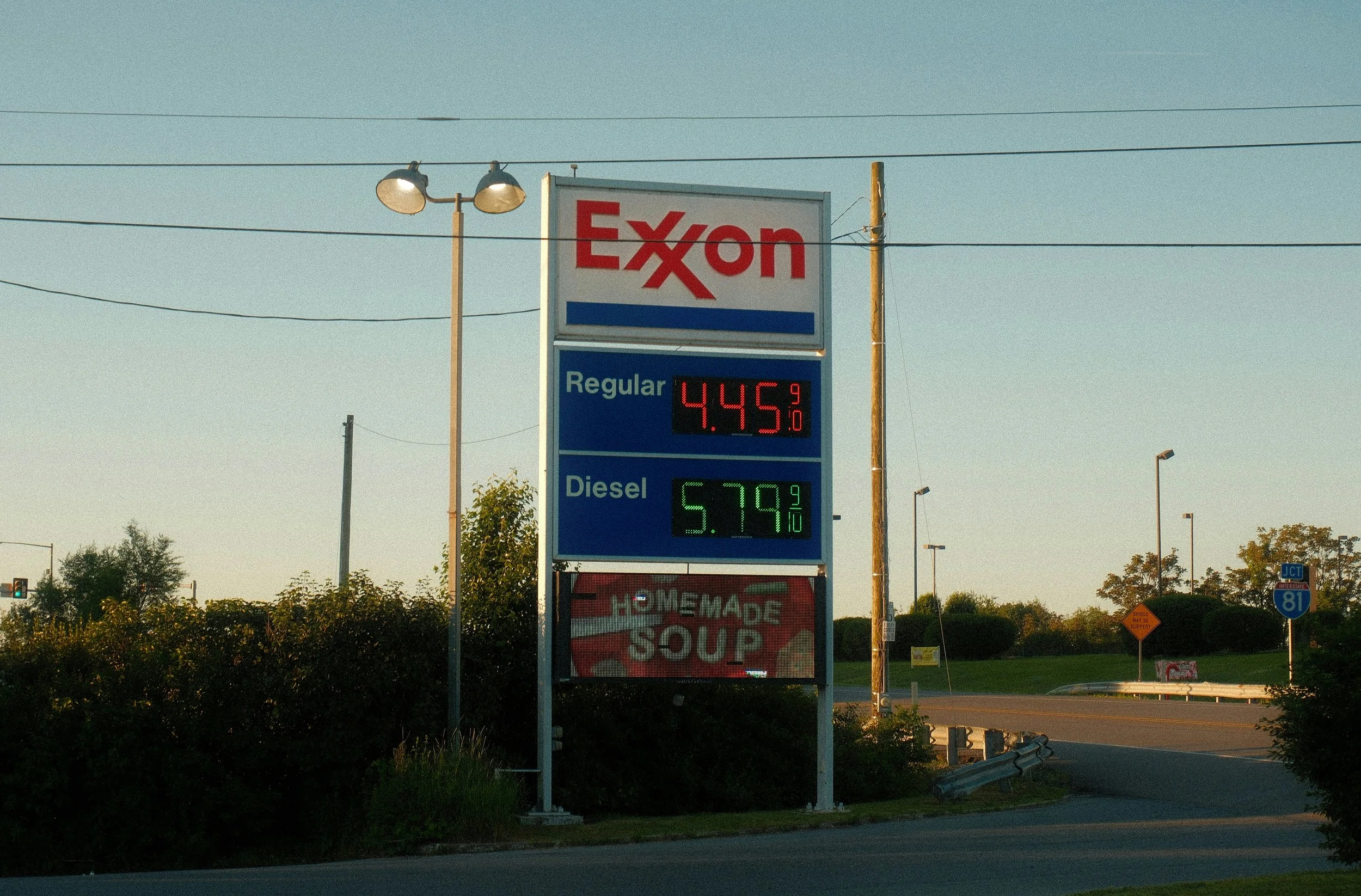
Oil giants ExxonMobil and Suncor are being sued by the City of Boulder for allegedly deceiving the public on environmental impacts the companies have caused.
Image by Abhishek Mamidipally on Unsplash
The U.S. Supreme Court began its 2026-27 term on Oct. 5 by hearing arguments in a climate liability case. The city of Boulder, Colorado, is suing the oil giants Suncor and ExxonMobil in an attempt to recover costs spent recovering from natural disasters that were an alleged result of rising global temperatures.
The case Boulder vs. Suncor gained major attention when the city of Boulder accused two companies of knowingly causing major damage to the environment and proceeding to deceive the public about those damages. The city is claiming Suncor and ExxonMobil lied and hid the harms of fossil fuels in an attempt to further their profit.
This supposedly had large impacts on the environment and global warming, causing natural disasters which damaged the city and cost billions. The city now requests financial compensation for battling extreme weather phenomena such as extreme heat, wildfires, droughts and floods.
On the Monday of the beginning of the Court’s new term, protestors organized in front of the building, siding with the city of Boulder. According to NPR, protesters at the rally shouted chants such as, “They knew / They lied,” openly supporting the claim that oil companies were deceiving the public about the consequences of further investing in fossil fuels.
As a response, neither Suncor nor ExxonMobil denied those allegations. Instead, their defense in court argued that the case is too big of an issue to decide on at the state level. The involvement of the federal government and global players was requested. With pushing the decision further away, the case could end up getting blocked and delayed.
The lawsuit was filed in 2018, and the Supreme Court heard arguments on Oct. 5. A decision is expected by summer 2027, but the justices have not yet ruled.
Justice Samuel Alito has recused himself from the case. The Court's ruling will determine whether Boulder can pursue its state-law claims, not whether the companies owe damages.
Remembering the devastating flood in Nepal during August 2026, the question of responsibility is present globally as well. According to The Guardian, the country of Nepal only contributes 0.1% of global greenhouse gas emissions, yet is one of the most affected countries worldwide from climate change. After a partially collapsed glacier set off deadly landslides and flash flooding this past August, the country demanded $20 million in climate compensation. Shisir Khanal, Nepal’s foreign minister, called for climate justice and said it was imperative that the world's biggest economies stepped up to help Nepal recover.
The issue of blame represented in the Boulder vs. Suncor case is not just representative of the climate crisis reaching almost all areas of the world, it also picks up on the general debate of how to handle responsibility of catastrophe on a global scale.