New Hiking Trail in Hudson River Valley Continues to Gain Steam Despite Local Pushback
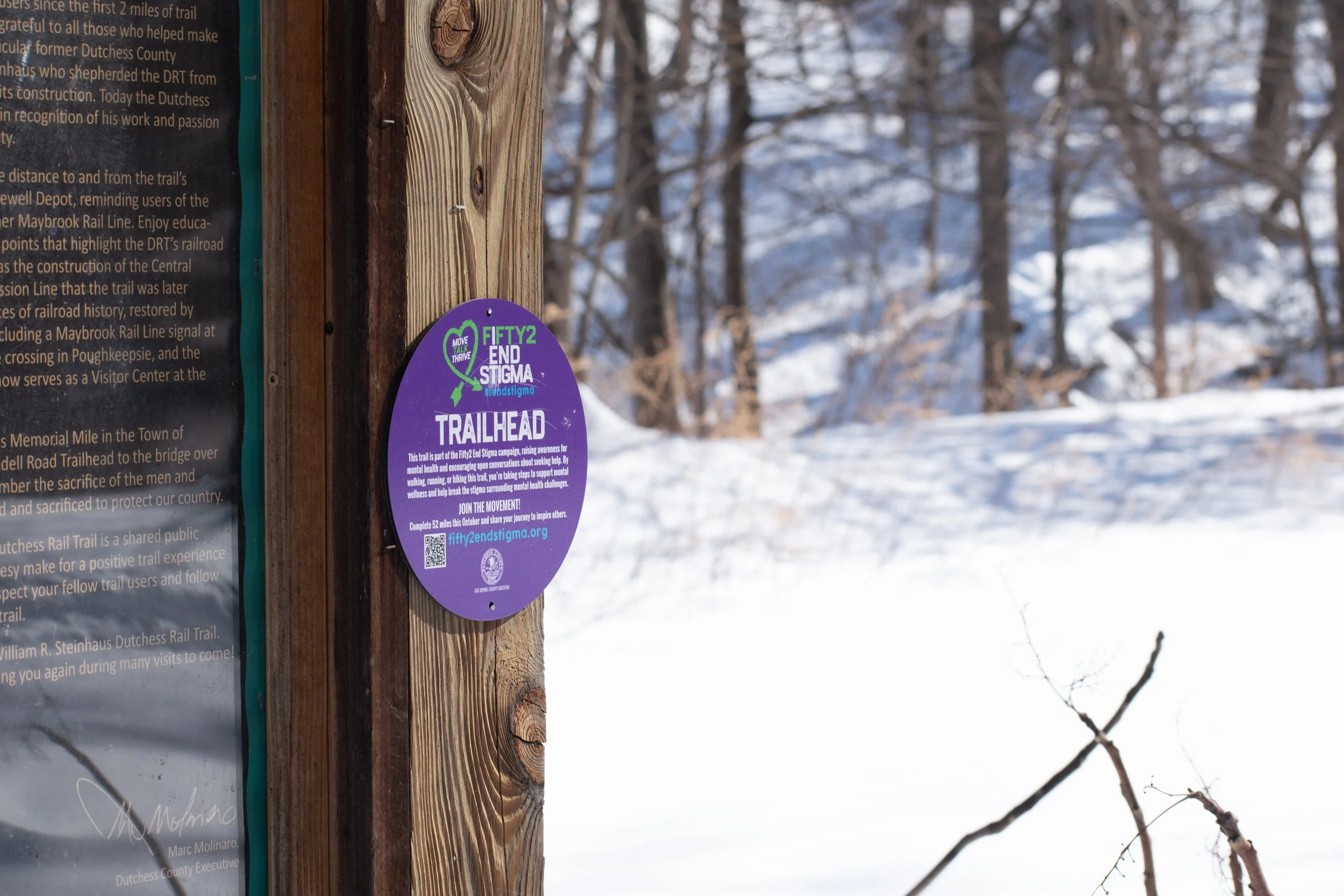
New York State is adding another trail along the Hudson River, adding to a long list of trails and causing concern amongst environmental groups. Photo by Lilian DeFilippis '26
After the New York State Office of Parks, Recreation and Preservation examined a document looking into the environmental impacts of the Hudson Highlands Fjord Trail, local environmentalists fear that the project brings more harm than good.
The Hudson Highlands Fjord Trail is a future park that will give visitors 7.5 miles of walkable and bikeable trails between the village of Cold Spring and the city of Beacon. The vision is that the park will help manage tourism while also making the beauty of the Hudson River Valley accessible to all ages.
The document is an Environmental Impact Statement. The statement examined the potential effects that the trail could have on the environment, along with the people living in the surrounding areas. The report was over 1,000 pages long, and while many negative effects were addressed, the state acknowledged that some problems are impossible to avoid.
The project is overseen by the Hudson Highlands Fjord Trail Inc, which is a nonprofit subsidiary that is in charge of bringing the self-proclaimed Master Plan to life.
Bringing this master plan to life, however, has not been an easy task. Many locals and environmentalists have voiced their concerns about the trail.
When a draft of the environmental impact statement was released in Dec. 2024, opponents took to the comment section to strongly voice their concerns.
The project has three main issues in the eyes of many. The construction will involve roughly 56 acres of woodlands and other natural environments being negatively affected. The plan also involves a boardwalk being constructed, which would need barges and cranes, and residents fear that the trail will overrun the city with tourists.
According to the Hudson Highlands Fjord Trail website, to address the 56 acres of woodlands disrupted, the trail design team is working with “environmental experts and state agencies.”
The team plans to keep track and avoid rare or sensitive habitats as a part of the site planning process, repair habitat infringement by closing unauthorized social trails and keeping people on the trail and replace native species with native plants within the trail.
The inevitable aspect of this, however, is the fact that there will be a temporary loss of aquatic habitats and sediment disturbance in the Hudson River and Fishkill Creek during construction. This may lead to permanent damage in up to 54 acres of natural habitats.
“If I wanted to go for a hike, I don’t want it to be crow” said Marisa Alicandro ‘27. “I don’t think it’s fully sustainable if they prioritize the tourism aspect.”
Alicandro is the current president of the Marist Outing Club. The club’s objective is to show students the beauty of the Hudson River Valley through various hiking trips with their peers.
As for the fear of locals getting their “habitat disturbed,” the park projects that it will attract roughly 268,700 visits annually.
That number may grow even larger as hiking has soared in popularity in recent years. The Marist Outing Club, for example, has roughly 500 registered members.
“I think I’ve seen an increase [in people hiking] specifically in our generation,” said Alicandro. “I think we lost a sense of reality, and it’s good for people to get outside, be social and be face to face.”
That number frightens many locals who already battle traffic, especially on Route 9D, which runs through Cold Spring and Beacon.
To combat this, the trail organization plans to reduce parking at the Breakneck Ridge Trail in Cold Spring and add parking just north of it. The north parking lot will provide a shuttle service to encourage visitors to park outside of the community centers.
The other solution being pushed is the advertisement and encouragement of public transportation. There will be three train stations within walking distance of the trail, and the organization plans to work closely with Metro-North to provide incentives to visitors who use the train.
If approved, construction of the Hudson Highlands Fjord Trail is set to be completed in 2032.