Marist Introduces Major Campus Safety Upgrades this Semester
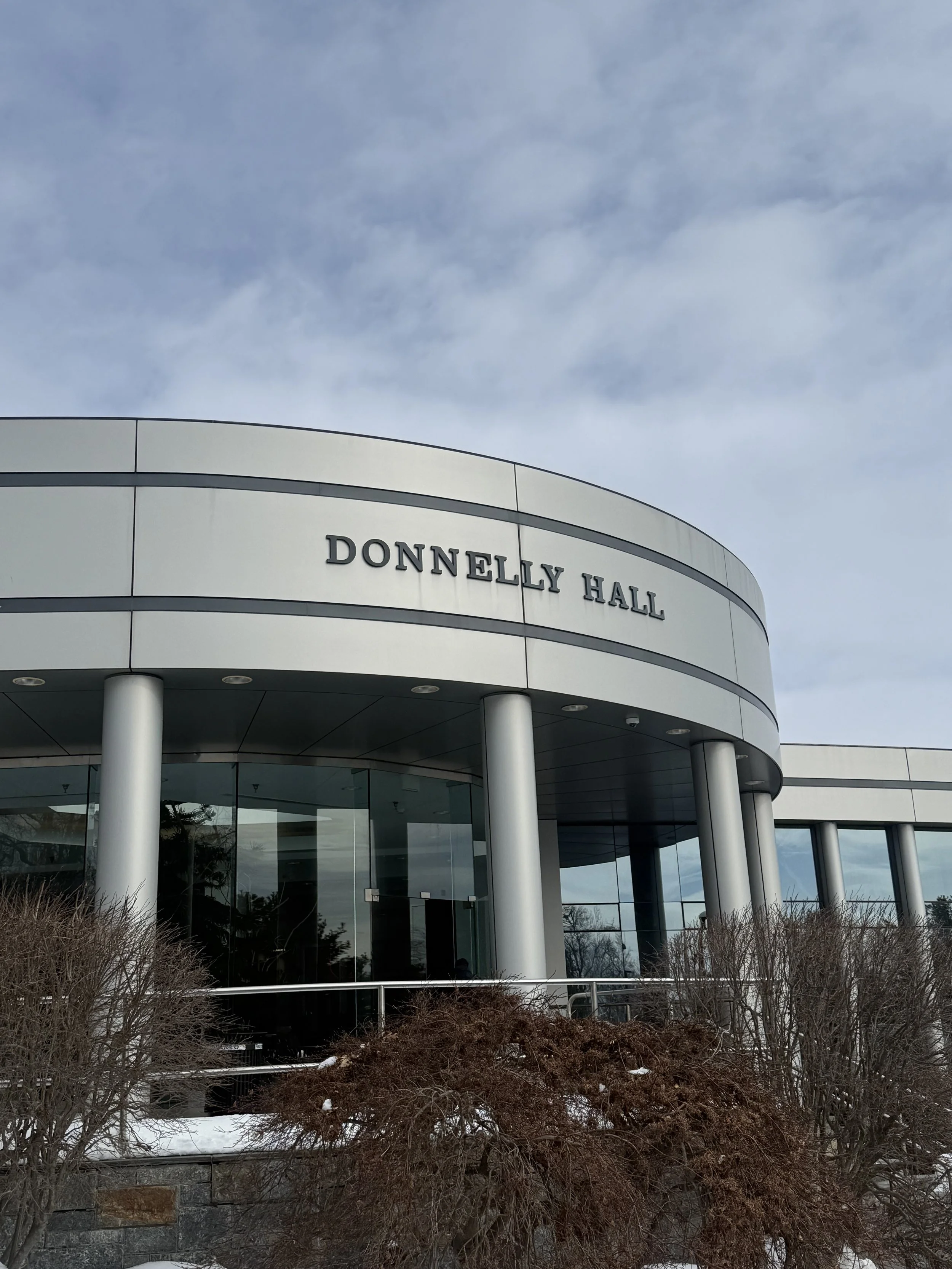
The Marist Office of Safety and Security has rolled out new safety initiatives for the Spring semester. Photo by Hannah Tone '26
As the Spring 2026 semester ramps up at Marist University, the Office of Safety and Security has introduced a series of campus-wide transportation and safety upgrades. These upgrades aim to improve student mobility, enhance emergency preparedness and respond directly to student feedback.
These updates include a new shuttle service to Mid-Hudson Plaza and Hudson Heritage, more consistent shuttle scheduling and a major overhaul of the University's emergency alert system. The Office of Safety and Security worked closely with the University’s partners and students to make daily life on campus more accessible.
Like many other colleges and universities, Marist seems to have an ongoing parking issue. Whether students are driving to and from class, across the street to the store or to and from internships, there is always a struggle to find parking.
The Office of Safety and Security implemented the shopping shuttle to help alleviate the parking issues students face daily.
“The goal is to give students a reliable alternative so they don’t lose their parking spot or need to drive off campus,” Gough explained.
The shuttle runs Monday through Friday from 5:00 p.m. to 10:00 p.m., transporting students from both the East and West Ends of campus to the Mid-Hudson and Hudson Heritage shopping plazas. Gough reported that on the first day alone, the shopping shuttle recorded 50 riders.
Along with these changes, there have also been minor changes to the Marist Loop. The Lower West Cedar shuttle was moved to the Dutchess County bus stop directly in front of the housing on West Cedar. In addition, the Tenney and McCann stops have been combined into a single stop in front of the Donnelly Hall parking lot.
In addition, Gough has also adjusted the existing shuttle services to improve consistency and reliability. Last semester, students reported issues with shuttle arrival times, making it difficult for them to plan travel to and from class.
In response, the Office of Safety and Security created a fixed schedule that has been implemented across all routes. Under the updated system, the Marist Loop operates three times an hour, and the Academic Express arrives at each stop every seven minutes.
While transportation improvements are the most visible change for students, Marist has also updated its campus safety infrastructure. The University recently changed emergency notification providers, expanding the number of ways students, faculty and staff can receive alerts.
“Previously, only about 18% of students, faculty and staff were signed up for text and voice alerts — and that’s simply not enough during an emergency,” Gough explained.
After the system change on Jan. 16, the Office of Safety and Security saw a dramatic increase in enrollment, with about 95% of students, faculty, and staff enrolled. With this system, students can add more phone numbers and email addresses so their loved ones can stay informed about campus happenings as well.
“Emergencies happen, it’s not a matter of if, it’s when, and our goal is to make sure students receive critical information immediately,” Gough noted.
In addition, Marist will be expanding its support for students studying abroad in Florence, Italy. The Marist Safe platform will soon allow students to connect with local law enforcement through geo-fenced emergency features, such as the mobile blue light, while also alerting security personnel in Poughkeepsie.
Gough acknowledged that being in an international setting can present safety challenges students may not be accustomed to, which could make the app more valuable for study abroad students.
Lastly, Marist is launching a new Environmental Health and Safety (EHS) Resource Center to provide students, faculty and staff with accessible information on campus health and safety.
This resource center will be especially useful to students working in a lab setting, as it will provide insight into hazard identification and guidance on personal protective equipment.