If The Government Won't, Colleges Must
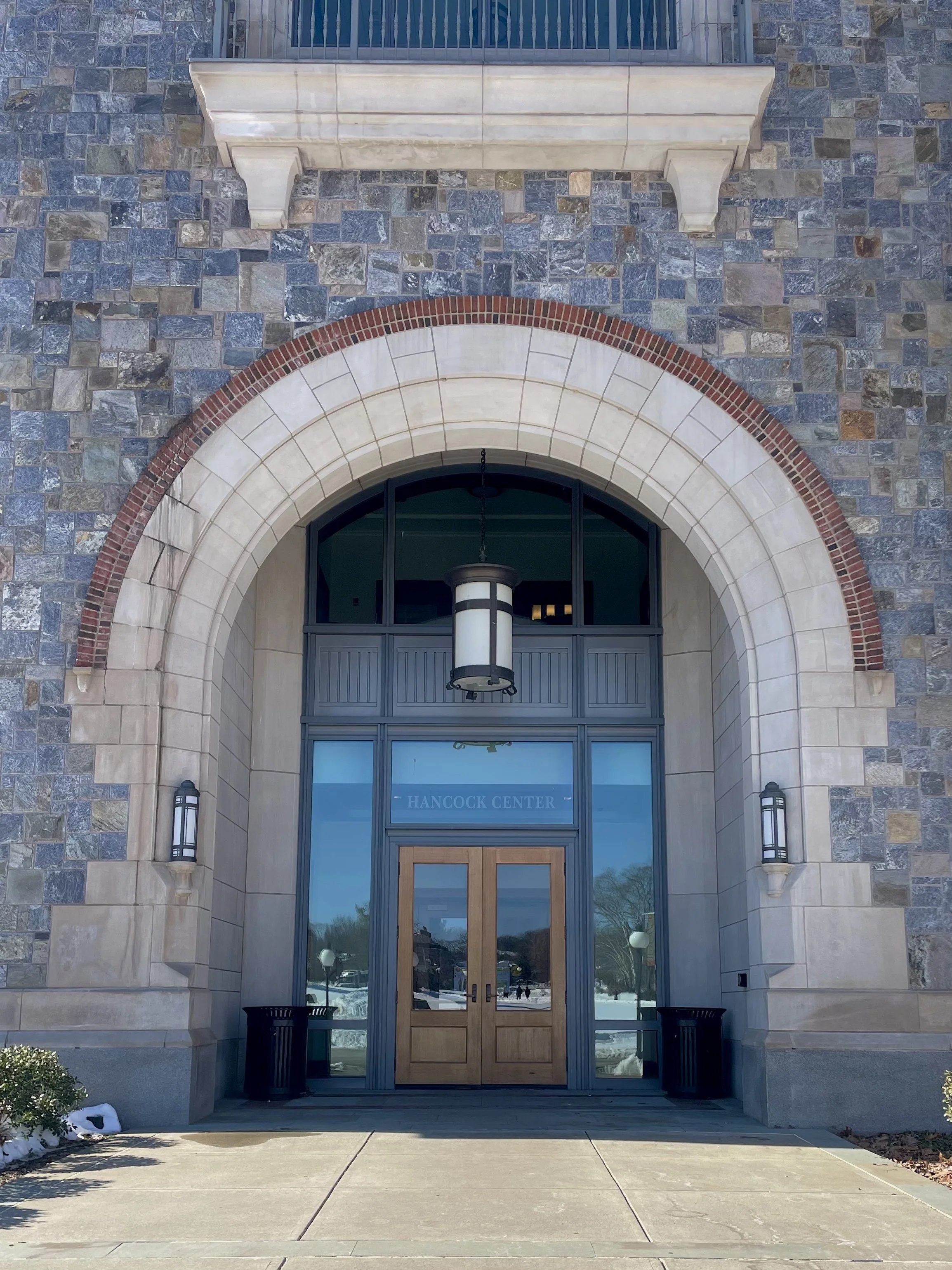
To enter into a Marist building, all you need to do is open the door. Photo by Lindsey Clinton '27
“Active shooter.”
The two words that suddenly had my body move before my brain could catch up. Just seconds before, we were admiring the beauty of Providence and the incredible look of all of the Brown University buildings. But now, I find myself sprinting down flights of stairs into a cold, concrete basement of an Urban Outfitters.
I count in my head. One. Two. Three. Four. Five. Good. There are still five of us.
I knew I was safe. I knew my friends were safe. There stood a few buildings between us and the Barus and Holley Engineering and Physics Building at Brown. But still, every noise from upstairs that was just slightly too loud sent chills down my spine.
I wasn’t alone. But what if I was? It wasn’t my college. But what if it was? It wasn’t my friends. But what if it was?
While I had the safety of being in a different building, the Brown students trying to take their finals were the ones trapped inside classrooms, praying footsteps would get farther and farther away.
That day at Brown was a reminder that safety isn’t guaranteed, even at a beautiful and respected university. It’s determined by the systems in place before a crisis can occur.
But we’ve already learned that we can’t count on this administration to restrict guns in any meaningful way or to invest in resources that could prevent violence before it starts. So where does that leave us? It leaves students and schools to fill the gaps and create their own layers of protection where the government refuses to.
The conversation about swipe-in access at Marist University usually stops at the residence halls. Students understand the importance of security where we sleep. But what about the buildings where we learn?
The small inconvenience of swiping into an academic building will become frustrating. It would slow us down. It would mean stopping when we’re late to class or waiting behind someone fumbling to find their ID in the depths of their bag.
But inconvenience is not the same as risk.
Brown’s buildings use swipe-in access because they sit in the middle of a city. That reality demands an extra layer of protection. And no…that system didn’t stop the shooter from entering the Barus and Holley building. But it did something just as important: it created friction. It forced a pause. It made access intentional instead of automatic.
That pause matters.
Right now at Marist, there is nothing that slows us down. Academic buildings stay unlocked for hours at a time. Anyone can walk in, move through hallways, and sit in classrooms without being noticed. We rely solely on vibes and assumptions. We assume that people look like they belong enough. That being a non-city school somehow makes us safe enough.
Swipe-in access wouldn’t be a guarantee. It’s not a solution that fixes everything. But it’s a layer. A layer that can limit movement. A layer that can give campus safety and law enforcement the time they otherwise wouldn’t have. It’s a layer we don’t have.
The question isn’t whether swipe-in access would be slightly frustrating. The real question is whether Marist values convenience more than safety.
“Active shooter.”
Those two words change how you hear doors close. How you register footsteps in a hallway. How you think about where you sit in a classroom.
Brown students will carry that day with them. Not because they want to, but because moments like that don’t just stay contained to one afternoon.
Marist students deserve better than assumptions that nothing will happen here. We deserve safety measures that don’t rely on luck or location. Swipe-in access for the academic building wouldn’t erase fear or guarantee protection, but it would acknowledge the simple truth of today’s world: security needs to be built before a crisis, not after.
If the government won’t act, campuses have to.