Why We Watch Together
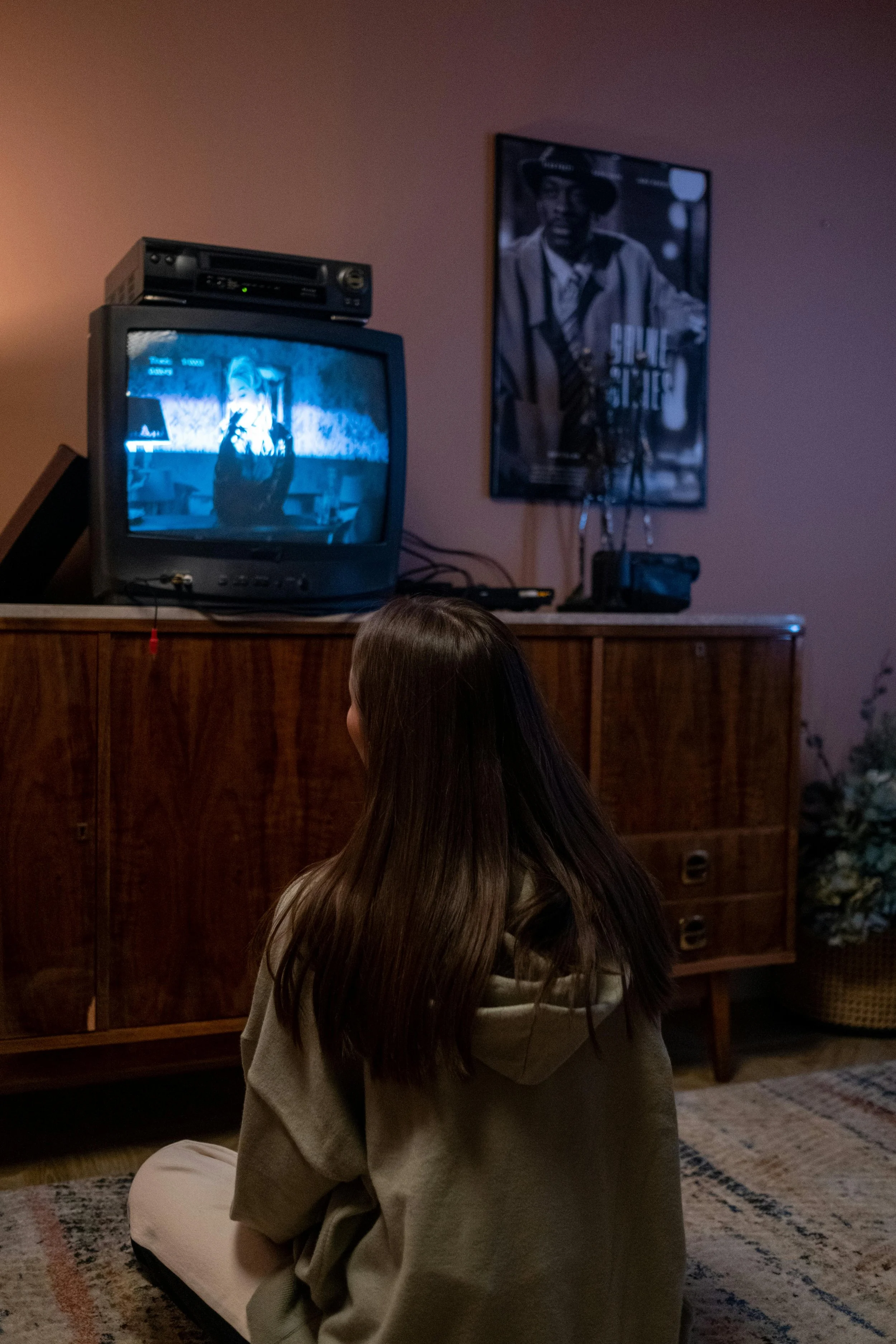
Modern shows are increasingly becoming social experiences that carry real-life importance. Photo by Ron Lach
We no longer just “watch” a television show. We immerse ourselves in them, turning storylines, headlines, “ships” and fan edits into a collective social experience that satisfies our innate desire to belong to something.
Many will remember the abundance of TikTok dissertations from strangers on the relationship between Love Island USA’s Nic and Olandria. Who could forget the Heated Rivalry fan-made video to “Sweet Dreams” that garnered 4 million views on TikTok? It even landed the creator a role with HBO as a trailer and promotional video editor. My personal favorite parasocial TV moment was the aftermath of the emotional December 2025 finale of Stranger Things. This had fans aligning their journeys from adolescence into adulthood with those of the main characters and actors.
The collective anticipation, instant gratification, and soon after abandonment of these TV shows begs the question, “How good could they be?” It is the experience that comes along with keeping up with these shows, however, that makes them worth watching.
Shows like Euphoria, Tell Me Lies and Love Story have made it clearer than ever that humans long to be a part of something bigger than themselves. This could take place in the form of a modern-day “conversation” on social media, which means watching a 10-minute think-piece at two times speed while scrolling through the comments. Real-life conversations about these culturally significant TV shows are often just regurgitated lukewarm takes picked up from falling down a late-night TikTok rabbit hole.
American research psychologist Irving Janis described groupthink as “A mode of thinking that occurs when a group’s desire for unanimity overrides realistic appraisal of alternatives.” We judge ideas based on their popularity, not their originality, complexity, nuance or lasting impact. This phenomenon explains why some TV shows penetrate every crevice of culture, politics and society, even when people can’t help but describe the show as “so bad that it’s good.”
Groupthink directly correlates to our evolution as people. While we did not evolve to be morally pure or absolutely rational, we did evolve to thrive as bands in all sorts of environments. James Marriott of The Times wrote, “Evolutionary psychology reminds us that our ‘groupishness’ is (perhaps the) fundamental fact of human nature… We should never underestimate how powerfully our minds have been shaped by evolutionary pressures pushing us towards conformity.”
It’s also worth noting that we are living through the slow death of the third space— a place outside of the home or the workplace where people go to converse with others and connect with their community. Therefore, it should come as no surprise that digital television fandoms have begun to fill that void, serving as an example of humanity’s instinctive pull towards commonality.
Online communities surrounding popular shows now function as modern-day ecosystems, as people are rapidly being priced or forced out of third spaces. Where connection may feel rare in everyday life, TikTok guarantees people will always find someone to confirm their beliefs, laugh at the same jokes, and share the same obsessions.
Successful shows have become less about quality and more about social currency. The digital age has brought about social exclusion for people who can’t reference the same niche moments from shows or discuss the nuances of fictional characters and reality TV stars.
If TV shows feel so all-consuming in recent years, it’s because they are. They’re no longer entertainment or background noise, but a subculture with shared emotional investment, creating a natural affinity amongst millions of people.