The MPorium Boutique: A Price Point Breakdown
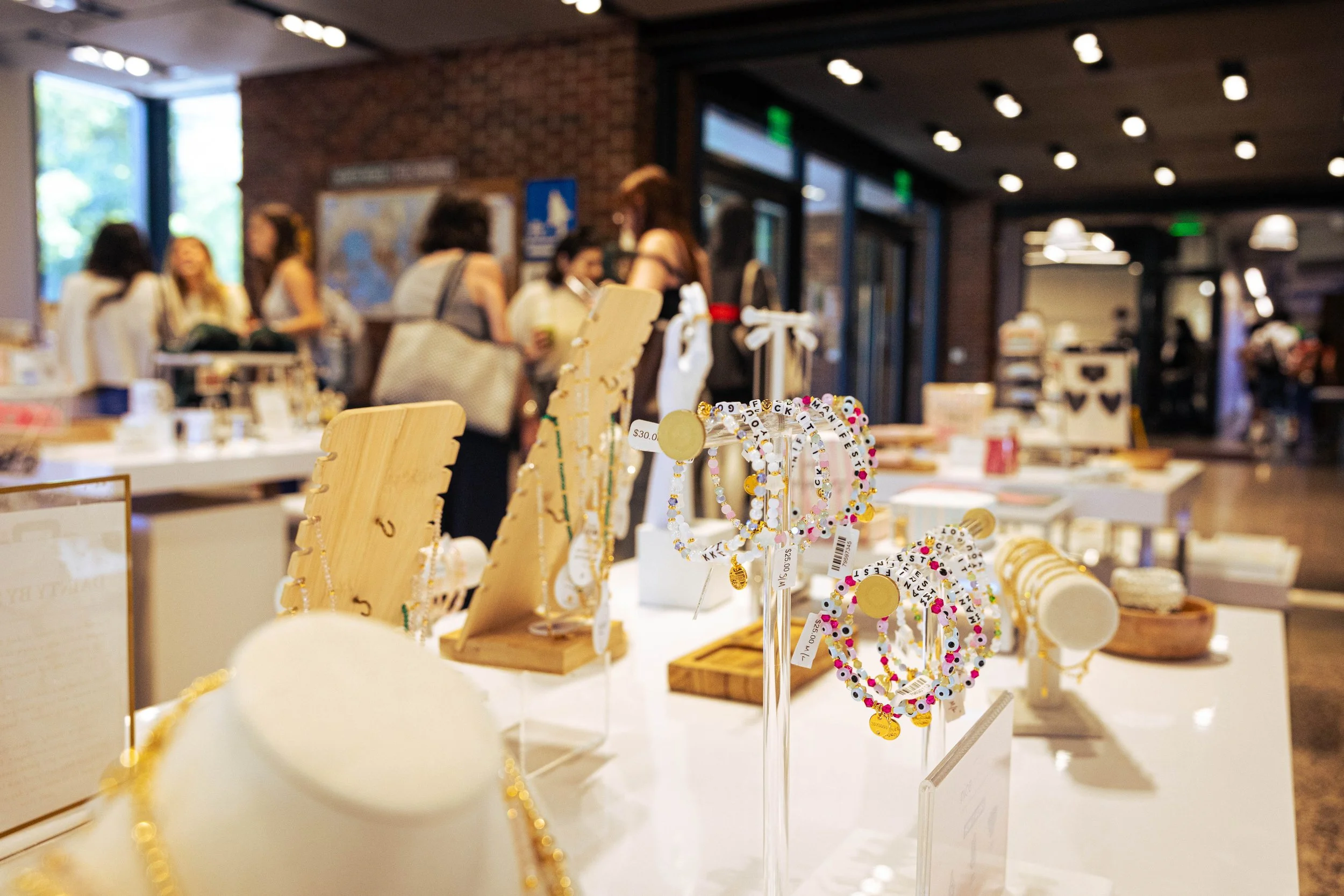
The student-run boutique, although physically on campus, is far more than a store for students to get custom, trendy merch. From a merchandising standpoint, here is a breakdown of why the prices are the way they are.
The MPorium Boutique is far more than a place for Marist University students to buy a trendy crewneck; it is a representation of the fashion merchandising students’ experiential learning. Rebecca Brown, chair of the fashion department and senior professional lecturer of fashion merchandising, leads the Retail Entrepreneurship class, which strives to provide students with a realistic boutique experience as they prepare for their futures in the fashion merchandising industry.
Although the prices are a major controversy for the store, the earnings go directly back into the fashion program. Students market the store, design the merchandise and negotiate prices with vendors, giving them the hands-on experience of running and producing a store.
The majority of college students are limited to a budget per semester, meaning their budgets per month are small and free spending is slim to none. Although MPorium's price points target far more than students, its broad appeal can lead to pricier products. Customers range from students to teachers, alumni and parents, meaning there's something there for everyone.
“We are trying to be very accessible for as many of the students as possible, but with everything we buy, them being custom, sometimes we have to buy things more expensive,” Allie Lesser ‘27, who is in the MPorium class, said.
Regardless of common misconceptions, MPorium, according to Brown, has shorter mark-offs than normal retailers. For example, the trendy Parke Valentine’s Day drop retailed at $150-$175 per sweatshirt. Last season, MPorium sold a Marist Valentine’s Day-themed sweatshirt that replicated the infamous Parke style.
Regardless of its exclusive, short supply, MPorium provided an equivalent quality sweatshirt for less than half the price of the original Parke.
“Since we are a smaller boutique, our quantities are so low, and that makes it more expensive for us,” Bella Grasso ‘27, a student currently in the MPorium class, said, comparing MPorium with the Marist Bookstore, which buys in large quantities from big-name brands.
Brown said that from a competitive retail perspective, big names like Nike, Peter Millar and Under Armour, which are sold in the bookstore, are difficult to compete against. The average consumer leans toward the well-known brands they are familiar with.
MPorium competes not only with the bookstore’s quantities but also with consumer habits; MPorium provides specialty designs from fashion students and an exclusive supply which is part of the reason they are priced as such.
The merchandising students’ homework outside of class is unconventional compared with that of a typical experiential learning class. They negotiate pricing with vendors, create designs and market the store year-round. In addition to this, they also must tend to the store.
“The students get three credits; their homework is working two shifts in the store,” Brown said.
At the same time, the boutique is achieving an internal goal, which is to provide students with a realistic merchandising experience and financially support the boutique as well as the students who run it.
Those interested in supporting the merchandising program but wanting to save money should consider some of the loyalty programs or deals the students have set up. One hundred “M points” earn the buyer $5 off their next purchase.
On top of this, there is a multitude of promotions and discounts the boutique runs throughout the year.
“The goal of MPorium is not to be like the bookstore; we like to provide a trendier product as students study those trends and apply them to the product,” Brown said.
Ultimately, MPorium is a multifaceted business externally, but internally it is a learning and financial source for Marist's profound fashion program.