2026 is the New 2016
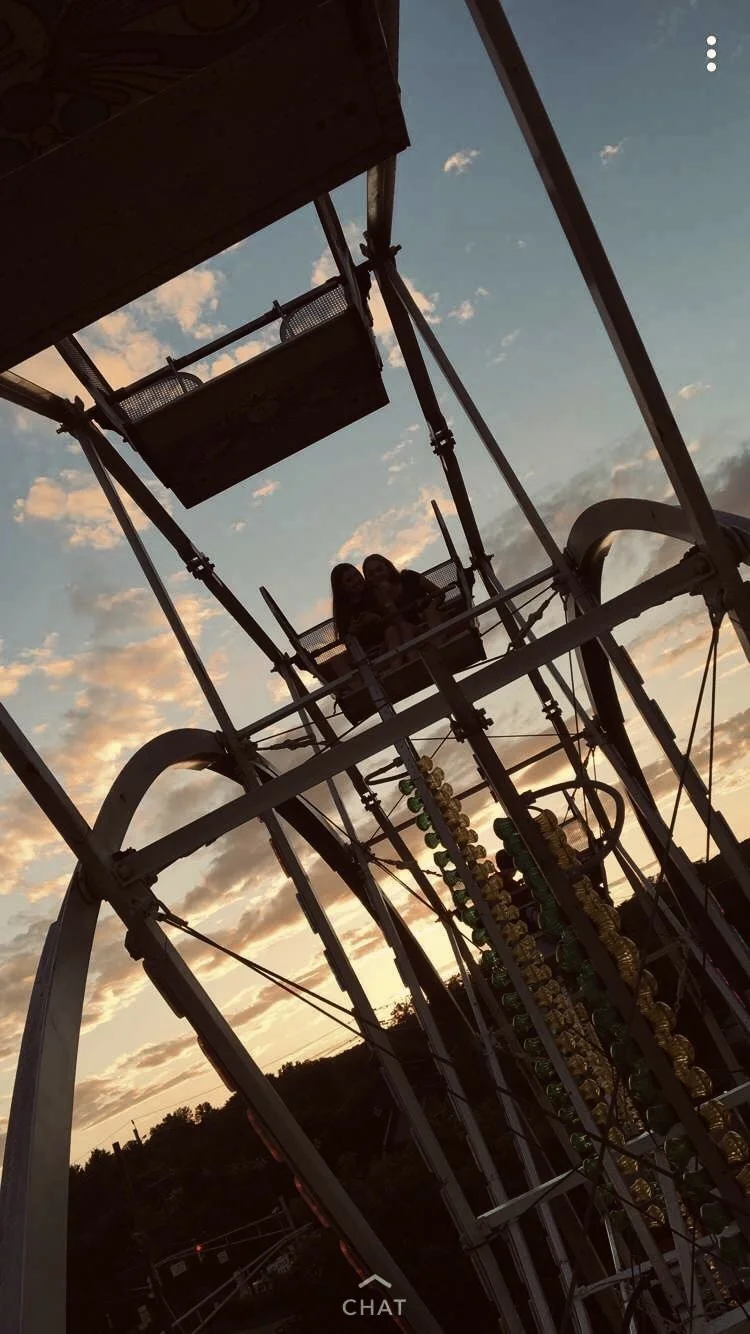
The 2016 aesthetic. Photo by Ava Battinelli ‘26
There’s no denying the strength that nostalgia can have on thoughts and emotions. Nostalgia is more than just a longing for the past; in fact, a Guardian article cites its deeper biological and psychological power.
Nostalgia can result in one feeling more connected to others and their past. As a result, it can be used to help with stress and anxiety, as well as increase positivity and optimism. With the prevalence of all these factors, it’s no surprise that Gen Z is reaching into the past to help them cope with the present.
The tagline “2026 is the new 2016” can be seen all over TikTok and Instagram, along with a rose-tinted filter that was popularized in 2016. The polarization within our current society makes such a trend no surprise.
Though the decade’s colorful fashion choices, messy buns and usage of social media apps such as Musical.ly, the precursor to TikTok, were once frowned upon and labeled “cringe,” Gen Z is now running back to 2016 for comfort.
In a time where neutral fashion choices and unrealistic influencers dominate social media, teens and young adults alike desire to regain the authenticity that was so pervasive a decade earlier.
TikTok feeds are monopolized by Zara Larsson’s “Lush Life” and Justin Bieber’s “Sorry,” along with many other pop songs that defined the 2016 era. Music is a prominent factor that signals nostalgia, and just hearing short clips of these songs brings many Gen Z-ers back to their childhood.
Clothing brands seem to be aware of the trend, bringing back early 2000s trends in order to profit from the 2016 aesthetic many teen girls now long for. Walking into Hollister feels like stepping into a time machine, with the walls lined with babydoll tops, logo hoodies and mini-shorts.
To many teenagers, 2026 seems to be defined by the rise of AI, and a never-ending stream of political issues. Members of Gen Z appear to be using the trend in search of comfort and view 2016 as a simpler and idealistic time.
Though these advancements can be positive in many ways, they also have a way of making people feel isolated and disconnected. The 2016 trend evokes so much more than just aesthetics — it evokes connection.
The relevance of 2016 in particular may seem random, but it is understandable why Gen Z would resonate to the year so much. During 2016, Gen Z was a mix of children and teenagers, causing them to associate 2016 with their innocence and childhood.
Today’s generation pines for the friendships and freedom that they associate with the teens of 2016. Collages of heavily filtered images depicting colorful Starbucks frappuccinos, EOS lip balms and iPhone 6s with a 2016 hit pop song in the background intend to transport Gen Zs back to childhood.
Though the authenticity of the decade-old vibe is debatable, there’s no arguing that the motive runs much deeper than just aesthetics. Whether the fashion and filters live up to those of 2016 is negligible; the trend continues to elicit nostalgia for the time.
In general, the “2026 is the new 2016” trend encourages us to ask ourselves the question: can looking back into the past allow us to make a better future?