The AI Doc: A Humanist Response to AI
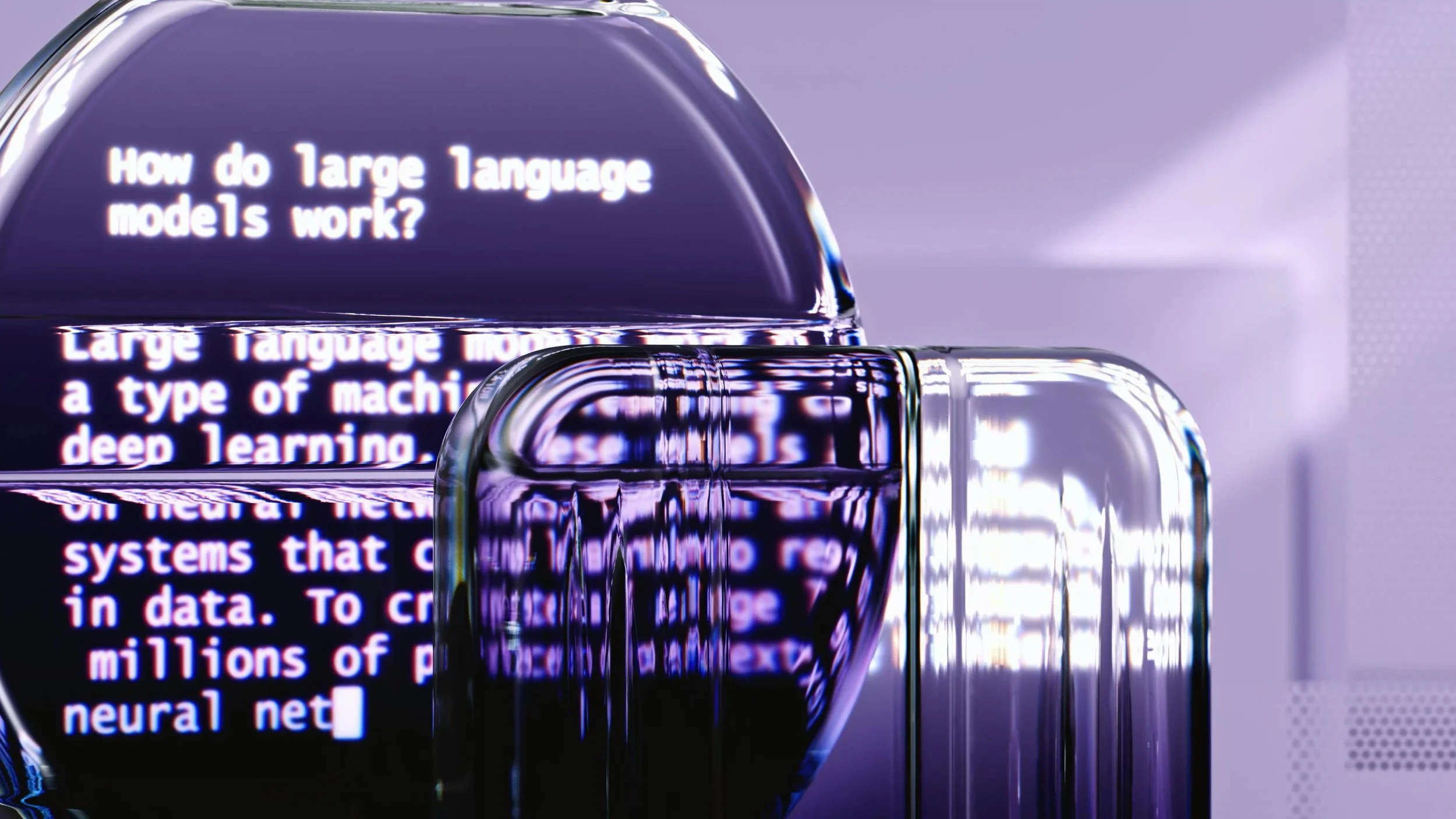
AI generated content is a contemporary debate that involves ethics, technology and a growing society. Photo by Google Deepmind via Pexels
In a time of confusion regarding the future of technology with generative AI, “The AI Doc: Or How I Became an Apocaloptimist” attempts to shed light on and explain both how the technology works and how it will change for the foreseeable future.
Framed as a series of interviews, the documentary is interspersed with professional opinions alongside Canadian director Daniel Roher’s musings about the timing of his parenthood and fears for life as a creative.
The term “apocolaoptimist” comes from Roher’s attempt to merge the worldviews that AI could be a tool for unbound societal progress while also being capable of ruining or even wiping out humanity. It’s a middle-of-the-road opinion that perpetuates the comfortable idea of AI being “a tool” but not an end in itself.
The film goes to great lengths to highlight analogies for all audiences to understand complicated AI concepts. When approaching negative views of AI, Roher features the idea of humanity being an anthill that could stand in the way of AI development and eventually be stomped out of existence. It also uses vivid imagery of humanity focused entirely on passion projects and hobbies, with AI automating painful or mundane parts of life.
The relevance of the film is unparalleled in an economic and social state of the world where AI is a social question as much as it is an economic and political one. Companies laying off employees en masse to fuel AI efforts are paralleled by a surge of new careers and opportunities.
Even though the film takes a centrist stance, it answers uncomfortable questions about work and society, including the downfall of government systems or the development of superintelligence.
The movie ends with a call for users to speak up and to call local government officials. It concedes that the AI revolution cannot be stopped, but users must stand between companies or governments and the looming horizon of artificial general intelligence. Many Letterboxd users dismiss the film as taking a non-stance on the subject, while others on the site praise the timeliness and relevance of the film.
The documentary’s strength comes overall from its ability to ask compelling questions while falling short of concrete answers, which is largely acceptable in a world as fast-moving as generative AI. Ultimately, the film serves as a poignant reminder that while we build the future with AI, we must navigate its consequences with our shared humanity.