New SNAP Restrictions Go Into Effect
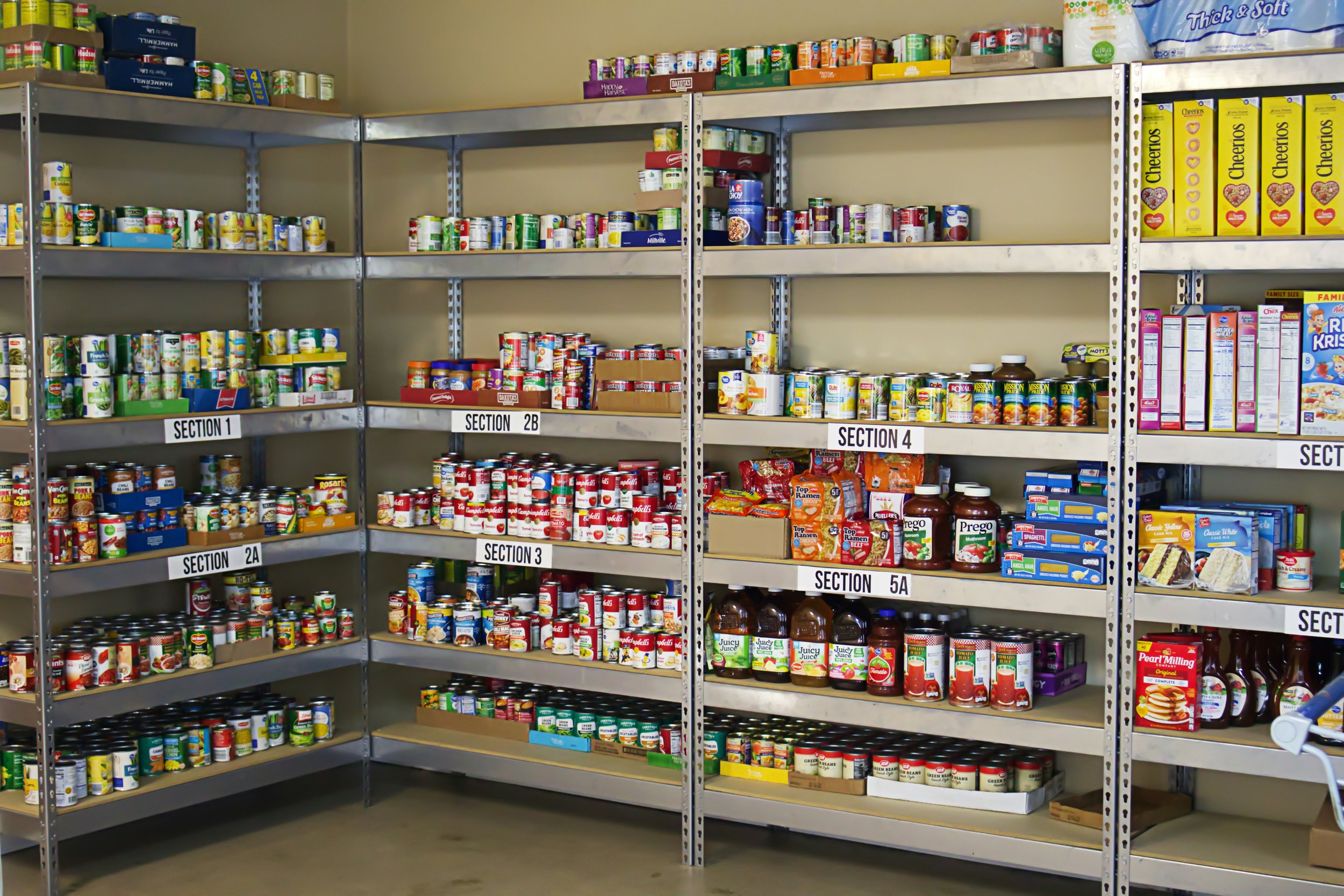
As new SNAP restrictions go into effect, local food pantires will feel increasing pressure to fill the gap. Jacob McGowin via Unsplash
A three‑month clock began Sunday for some New York recipients of SNAP benefits, as new restrictions to eligibility went into effect on March 1. According to the New York State Office of Temporary and Disability Assistance, under the new guidelines, known as the Able-Bodied Adults Without Dependents (ABAWD) time limit, able-bodied adults ages 18 to 64 without children under 14 will be required to work at least 80 hours a month to qualify for benefits.
Those who cannot meet the work threshold must show proof of participation in 80 hours a month in qualifying activities, such as job training, job search, or volunteer service. SNAP recipients who do not meet these new requirements by June risk losing their benefits for up to three years.
Previously, work requirements were applied to able-bodied adults ages 18–54 without dependents under age 18. The new guidelines expand those requirements to ages 55–64 and to parents without children younger than 14. It also eliminates work exemptions for unhoused people, veterans and young adults aging out of foster care.
Isabella Hulihan, a former SNAP benefits coordinator for United Way of the Dutchess-Orange Region, told the Circle that there are “a lot of people with circumstances that make it difficult to work, like lack of transportation, that aren’t always considered.”
SNAP is a vital lifeline for millions of New Yorkers facing food insecurity, helping to put food on the table and maintain basic levels of nutrition. According to the New York State Comptroller, in January alone, nearly three million New Yorkers received $655.9 million of SNAP benefits, with over 17,000 persons receiving $3.4 million in benefits in Dutchess County.
The impact of SNAP goes beyond simply affording groceries and helps to alleviate a greater financial burden.
“Many families who get SNAP benefits face a lot of tough financial decisions every day,” said Hulihan. “They can either spend their money on dinner that night or taking their sick kid to the doctors.”
Research from the Center on Budget and Policy Priorities also shows that SNAP is associated with improved current and long-term health. By enabling recipients to afford adequate food, they are less likely to skip meals, more likely to make healthy decisions, and spend additional resources on health-related care.
However, these new restrictions mean that the health and financial struggles recipients face may be further exacerbated.
The impact of these new work restrictions will not only be felt by local food pantries.
When SNAP benefits are reduced or eliminated, regional food banks and pantries experience an overwhelming increase in families seeking aid. Although they are an essential resource, they cannot replace the large-scale assistance of SNAP.
“A lot of those [food pantries] are smaller and already feel a strain on their available resources,” said Hulihan. “To take on all these extra people who lose their SNAP benefits just isn’t going to be possible for them.”
Feeding America notes that for every meal provided by food banks, SNAP provides nine. These organizations cannot easily scale up to meet this increased demand, potentially overwhelming their resources and leaving vulnerable individuals and families struggling to access the food they need.