State-Sanctioned Violence used Against Protestors in Iran
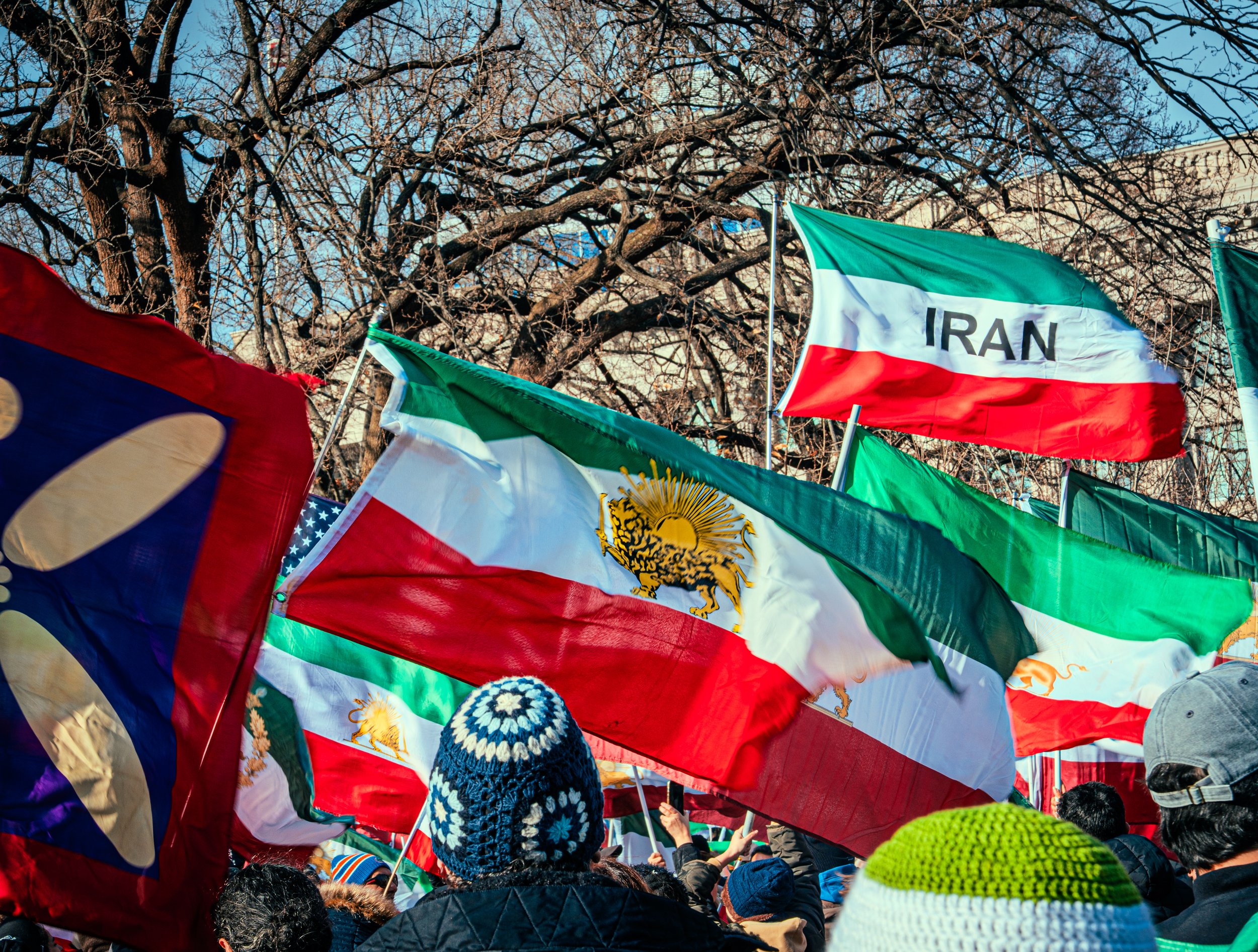
A crash in the value of Iran’s currency, the Rial, and worsening living conditions resulted in protests across the country beginning in late December. This public outcry is a result of years of worsening living conditions and increasing inflation. The Iranian government has responded to this movement with violence against protestors, which has garnered international attention and resulted in widespread protests.
The current regime in Iran has been accused of neglecting the needs and rights of the Iranian people. In 2025, there were water and electricity shortages as well as severe environmental degradation. Rather than addressing these issues, the government has ignored the failures and instead blamed overconsumption and drought. These issues have also disproportionately affected marginalized groups such as Kurds and Baluchis due to underinvestment in these regions.
The protests began on Dec. 28 with stores in the Tehran Grand Bazaar going on strike and closing their doors. Protestors then took to the streets for street demonstrations, which spread throughout the country. The cities of Alborz, Kermanshah, Tehran and Razavi Khorasan are hubs for these protests, yet the movement has reached all 31 provinces.
Ali Khamenei, the supreme leader of Iran, described the protestors as “rioters,” stating they must be “put in their place.”
Iranian forces have perpetrated violence against these protestors using weapons such as machine guns, sniper and assault rifles, tear gas, machetes and wooden clubs. The overall death count is debated, with the Human Rights Activists News Agency putting the number at 5,777 protestors dead and 41,800 arrested as of the end of January. However, the Iranian government claims 3,117 are dead, labeling 690 of those as terrorists, not civilians.
There has been an internet cut-off by the government in an effort to censor the protestors. However, the Iranian state media blamed intervention from abroad for the movement. The military has also begun conducting patrols, and a nighttime curfew has been implemented.
Protests have erupted all over the world in support of Iranians who can no longer speak up for themselves. This includes cities such as Melbourne, Athens, Tokyo and London. Outside of the Munich Security Conference, a crowd of around 200,000 people gathered, demanding regime change. Many of the protestors waved Iranian flags from before the Islamic Revolution of 1979. Some also wore hats reading “Make Iran Great Again,” referencing President Donald Trump’s MAGA movement. A protester in London said, “I am here to be their voice because they have been silenced.”
In early February, Trump declared a need for regime change at the conference in Munich, calling it “the best thing that could happen.” Talks in Geneva have begun between the two countries concerning nuclear weaponry. However, Trump also ordered the presence of warships in the Persian Gulf should nuclear peace negotiations fall through. He said, “For 47 years, they’ve been talking and talking and talking.”
Previous protests have occurred in the country, such as in 2022 when a 22-year-old woman named Jina Mahsa Amini died in the custody of the Iranian morality police for not adhering to laws concerning the wearing of hijabs. This sparked widespread protests, also resulting in human rights violations at the hands of the Iranian military. Similar protests also occurred in 2017, 2019 and 2021.
Juris Pupcenoks, a political science professor at Marist University, described the pattern of protests within the regime.
“They started out as some sort of reaction to deteriorating living conditions and skyrocketing prices of food items and money losing value, the deterioration of the Iranian currency and so on. And then they quickly kind of morphed into anti-government protests,” he said. “These protests happen ever so often; part of that is just the oppression and brutality of the Iranian regime itself.”
In terms of what can be done to address the violence, Pupcenoks is not hopeful: “It happens regularly, and as long as the brutal dictatorship can put down any protests through violence, they will put them down. That's the sad reality.”
With the possibility of U.S. intervention, Pupcenoks noted Trump’s “transactional” approach.
“If the Iranian regime aggressively reduces its nuclear enrichment efforts and signs some sort of nuclear agreement where they won’t be pursuing nuclear weapons, Trump’s administration will probably call it a win and the existing brutal dictatorship will remain in place,” he said. “Its not a Hollywood ending to a story, but unfortunately, I think that's the most likely scenario.”