Mistrial for Lindsay Clancy, Massachusetts mother on trial for killing her three children
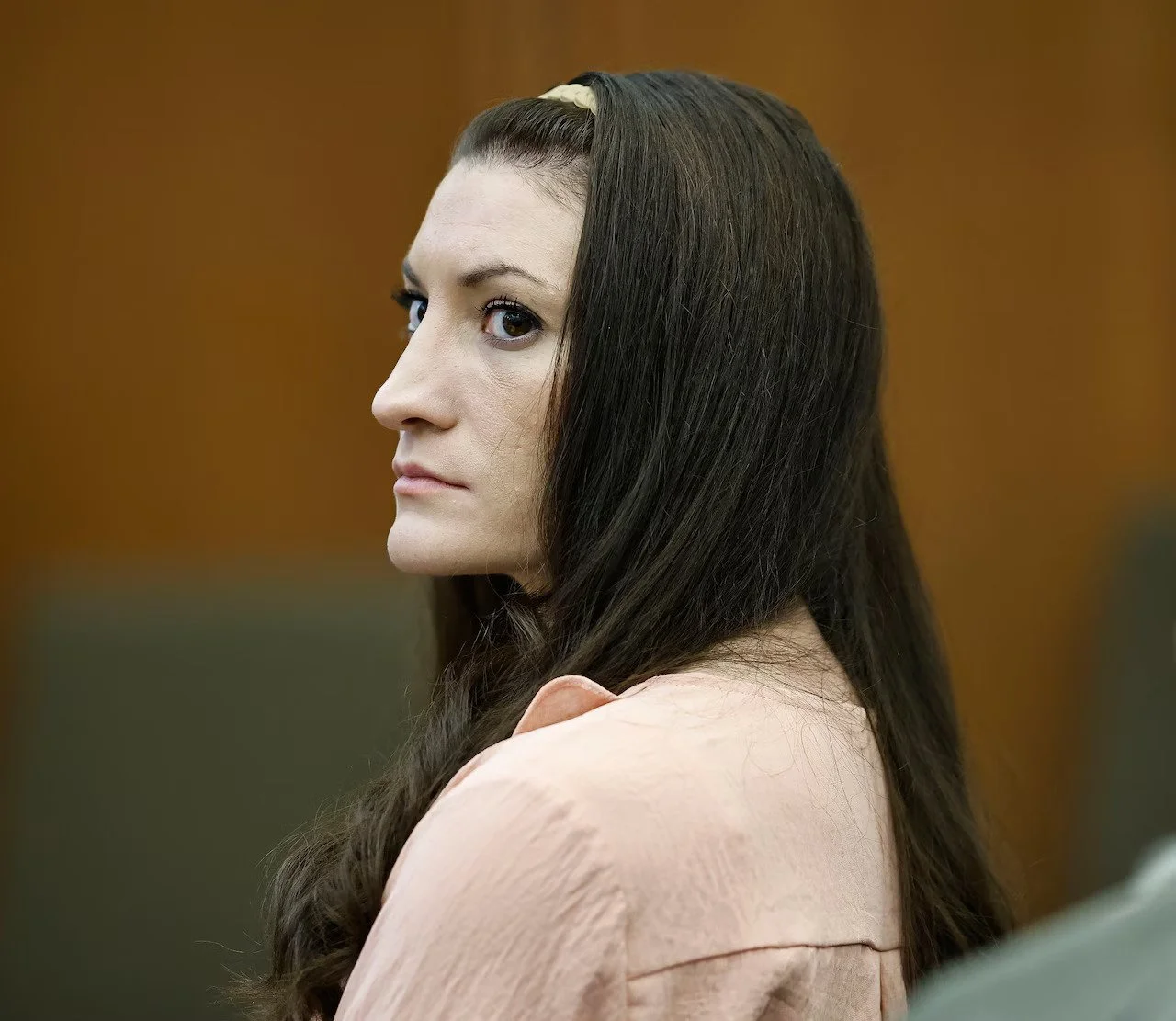
Defendant Lindsay Clancy watches Judge William Sullivan address jurors on the 20th day of her murder trial in Plymouth Superior Court on Tuesday, Aug. 25, 2026. Photo by Greg Derr/The Patriot Ledger
Lindsay Clancy, a mother from Duxbury, Massachusetts, was accused of killing her three children in 2023. On Sept. 4, the judge declared a mistrial after a deadlocked jury, with the next status hearing scheduled for Sept. 29.
Clancy is a former labor and delivery nurse who does not dispute the claims against her, but has chosen to enter a plea of not guilty to the charge of first-degree murder in the deaths of her three children, 5-year-old Cora, 3-year-old Dawson and 8-month-old Callan. The central question throughout the trial, however, has not been whether she did it; it is instead whether she is criminally responsible.
Clancy’s defense counsel argues she was suffering from postpartum psychosis, a severe mental health condition, and therefore she was left unable to conceptualize the wrongfulness of her actions or control her conduct. Clancy’s defense attorney, Kevin Reddington, told jurors that “lousy medical care” furthered her condition.
Prosecutors countered that Clancy did indeed understand that her actions were wrong and could follow the law. Additionally, Assistant District Attorney Jennifer Sprague argued that Clancy, given her background working in health care, has access to adequate resources but did not use them effectively.
The Plymouth Superior Court jury of nine women and three men reported being deadlocked at least twice before Judge William Sullivan declared a mistrial. The defense attempted to replace a holdout juror with an alternate and was denied by Massachusetts Supreme Judicial Court Associate Justice Dalila Argaez Wendlandt. Clancy is currently in state custody at a psychiatric hospital where she has been held since shortly after the killings.
A mistrial is not an acquittal, and the case remains open pending the prosecutors’ next move. The mistrial does not render a verdict, nor does it dismiss the case.
The trial has drawn great national attention, with maternal mental health advocates as well as members of the public supporting Clancy outside the courthouse and on social media with “She Needed Help” and other messages of support. Advocates, including maternal mental health advocate Meghan Cliffel, say the case has aided in exposing gaps in how the health care system treats postpartum psychiatric emergencies.
As someone who has suffered from postpartum psychosis herself, Cliffel said, “[I]t feels a little bit like a different version of my life.”
However, in addition to support and solidarity for Clancy, there have been those who largely oppose her using postpartum psychosis as an explanation and/or justification for her actions. Aside from the prosecution, several users on the subreddit r/DuxburyDeathsFreeTalk have noted that they are concerned when mental health is used as an explanation, saying it can be “dangerous and creates a stigma for those who have mental health issues and don’t kill anyone.”
With the case remaining open, both a definitive verdict and a resolution to this polarizing national debate will reach a new point on Sept. 29.