Proposed Cleanup Plan Kick-Starts a Healthier Future for Wappinger Creek
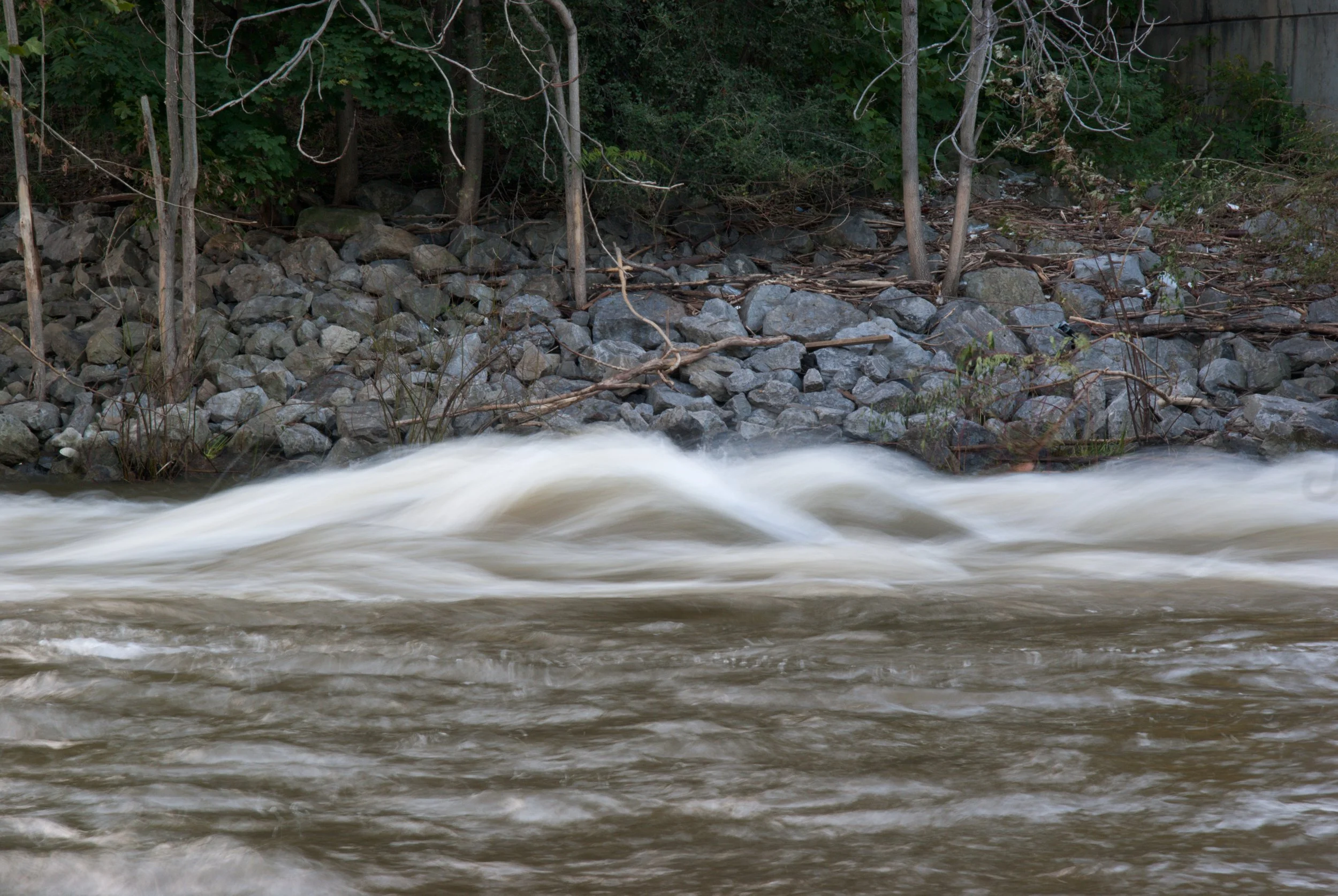
The water of Wappinger Creek. Photo by Fran Trudeau on flickr.
The U.S. Environmental Protection Agency (EPA) has recently proposed an $88 million cleanup plan for the Wappinger Creek Superfund Site in Dutchess County. This cleanup plan is predicted to manage mercury-contaminated sediment and soil along the banks.
Wappinger Creek carries over 200 years of industrial pollution, leaving it contaminated with PCBs, mercury and other heavy metals, according to Riverkeeper’s article, “Tell the EPA: Clean up Wappinger Creek’s toxic legacy.”
Not only does this pollution affect the wildlife occupying the creek and adjacent areas, but it also puts those who eat fish caught from the creek at risk.
Dan Shapley, senior director of advocacy, policy and planning at Riverkeeper, has expressed concern that local residents who fish in the creek may not be aware of the creek’s contamination and subsequently eat the mercury-affected fish. Despite this, Shapley emphasizes that the contamination is within the soil and therefore no risk is posed by paddling or touching the water.
The official EPA website describes the Superfund Site as including the lower two miles of the creek, which spans from Wappingers Falls to where the creek meets the Hudson River. The plan focuses specifically on the upper area of the site, in order to remove waste that is likely to eventually move downstream.
The proposal will remove sediment that has been found to contain high levels of mercury. Once this contaminated sediment is removed, these areas will be backfilled and the affected parts of the creek and stream will be restored.
The cleanup is temporary and intended to accelerate the prospect of further cleanup efforts. Furthermore, to increase the likelihood of the plan’s success, the EPA aims to continue monitoring the creek’s conditions even after the cleanup is complete. This will ensure that the temporary cleanup is working as originally proposed, and confirm a final future cleanup plan for the creek.
Though this interim approach may seem small and insignificant at first glance, it will allow for action to happen as soon as possible, according to the EPA’s Regional Administrator, Michael Martucci. The sooner action is taken, the sooner the worst of the creek’s contamination can be addressed.
Through focusing on the upper portion of the site, the EPA can most effectively prevent the contaminated waste from moving further downstream. This allows further planning to continue while progress is underway, rather than staying stagnant and permitting future downstream contamination.
Not only will this plan initiate a healthier and more balanced ecosystem within the creek, but it will also positively affect the Wappinger Falls community. WAMC Northeast Public Radio, a regional radio network based in Albany, highlights community support of the EPA’s proposition. The radio episode includes a discussion with local fishermen who have expressed their support for the cleanup plan.
Additionally, certain environmental lab classes at Marist utilize the creek to study biodiversity and ecosystem interactions in the area. Though causing temporary disruption to the ecosystem in the short term, the cleanup will allow for richer life and ecosystem recovery in the long term, creating a wider and more natural range of biodiversity for students and professionals to research.
Not only will the cleanup benefit the health of the creek’s ecosystem, but it will also have a positive impact on fishermen, students and the Wappingers Falls community as a whole. Though it is a small and focused start, the plan signifies hope for the future of Wappinger Creek and for environmental protection and cleanup.