Are The Movie And TV Industries Running Out Of Ideas?
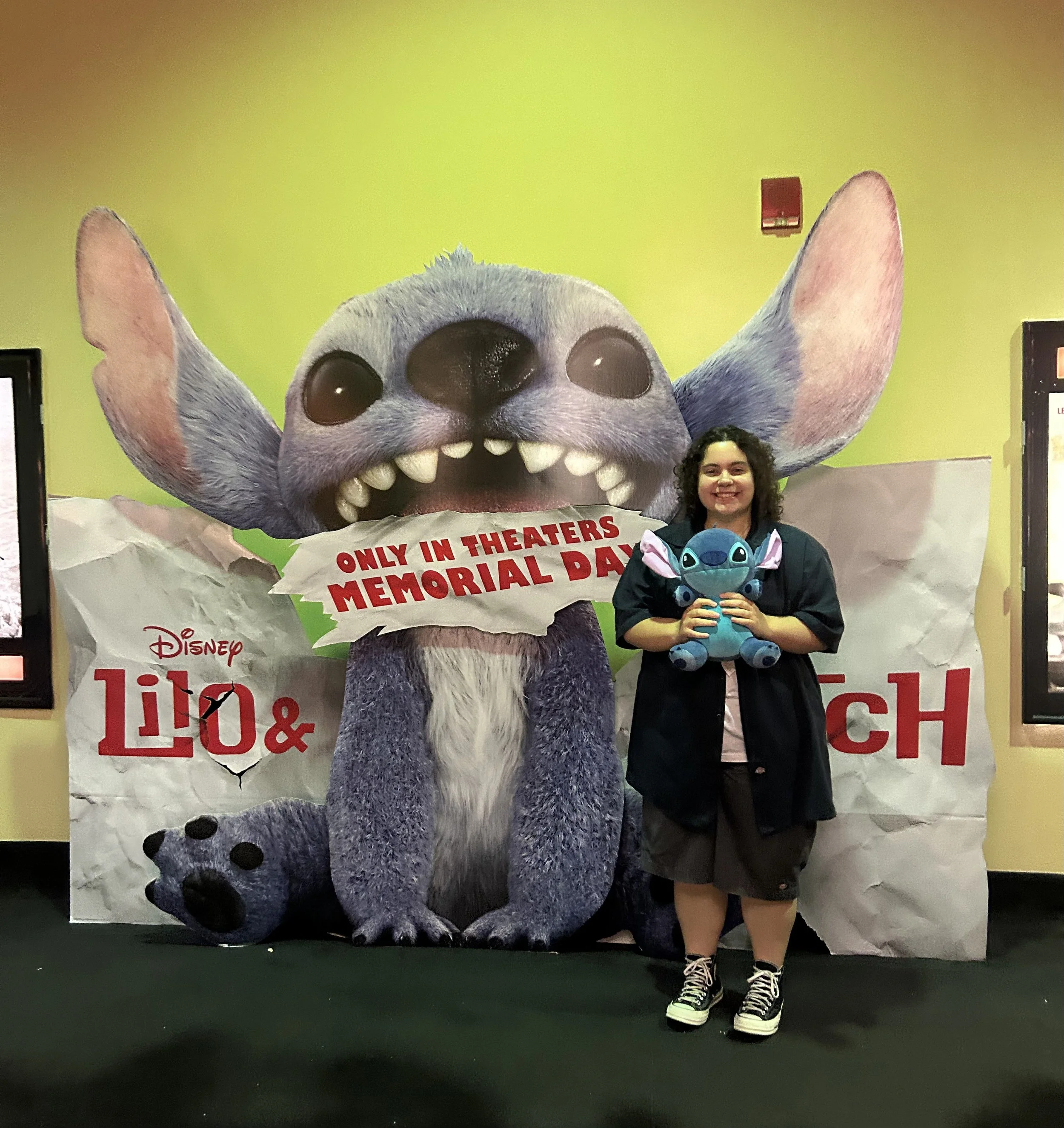
Marist University student Hannah Granger '28 attending the premiere of the live-action "Lilo and Stitch" in theaters. Photo by Nicole Kreib '28
We all grew up with a favorite animated film. Whether you were obsessed with the idea of being a princess and watched “Cinderella” on repeat, or you were enthralled by mythical creatures and wanted to have a dragon of your own like Hiccup in “How to Train Your Dragon,” these successful films creatively impacted our childhoods.
However, instead of keeping these movies a fond memory, major industries like Disney and Dreamworks keep recycling these ideas to create live-action adaptations. But is this concept being overdone?
The craze of live-action remakes started in 2010 with an “Alice in Wonderland” adaptation. Unlike many of the remakes created after this one, they took a radical take on the film, turning a children’s story into a dark fantasy.
With Tim Burton writing and directing it, theatrical ideas aided in the film’s success.
Distorting the characters’ appearances, like the Red Queen’s massive head and embracing insanity through the Mad Hatter, are concepts that made this live-action good.
But, instead of creating new, exciting plots based on the animated versions, industries decided to turn classics into live-action films that feature the exact same storylines.
As Disney keeps spitting out these old ideas in the form of live-action films, the iconic stories and characters start to lose their charm. Even when they try to stray from the originals and lead the stories in a different direction, they are not well-received by the audiences.
For example, Disney recently released a live-action remake of “Lilo and Stitch” in 2025. Being one of the first remakes of a film from this century, fans were excited to see it on the big screen.
“Lilo and Stitch” follows sisters Nani and Lilo as they navigate a world without their parents, piecing together their broken family with the people they meet along the way.
The filmmakers of the live-action decided to change the ending of the new film, having Nani make the decision to hand custody of Lilo over to a new character, Tutu, so she could study at a college in California.
While this ending is not inherently bad, fans were frustrated by this change because the idea of ohana, of finding that family in those who also come from a broken past, was not achieved in the film.
Fans go to the theaters to watch their favorite movies have the spotlight again, but these nostalgic feelings are being crushed by filmmakers’ decisions to change the story.
Disney has reigned over the remake industry. They turn beloved animated classics into high-grossing films that guarantee success because of one thing: nostalgia.
The reality is, fans will pay for nostalgia, wanting to pass those feelings on to their kids when their favorite childhood movie gets remade for a new generation.
But this reveals that these films are merely cash grabs for the industry. They are easy, low-risk successes, and because Disney usually delivers these iconic movies, the remake business will keep crawling its way to the top
HBO recently shared that a new TV adaptation of the classic Harry Potter film series will begin airing in 2026. Each of the seven books in the series will have its own season on television, written and produced by Francesca Gardiner.
However, there has been some backlash surrounding this release. Chris Columbus, who directed the first two Harry Potter films, is asking, “What’s the point?” of remaking this recent film franchise.
Columbus points out how characters of this TV series are shown wearing the exact same costumes as those in the films. We can assume that with the characters, costume design and sets being the same as the originals, we can assume that the plot will be too.
With the advanced technology, inventive producers and creative writers that we have today, why are we remaking the same stories?
While some fans dread the trailers for the same old stories, the truth is these movies and TV series will be high-grossing successes because people continue to pay to see their favorite films remastered.
We just have to hope that these films will one day be innovative instead of sloppy remakes.