The Lost Art of Hobbies
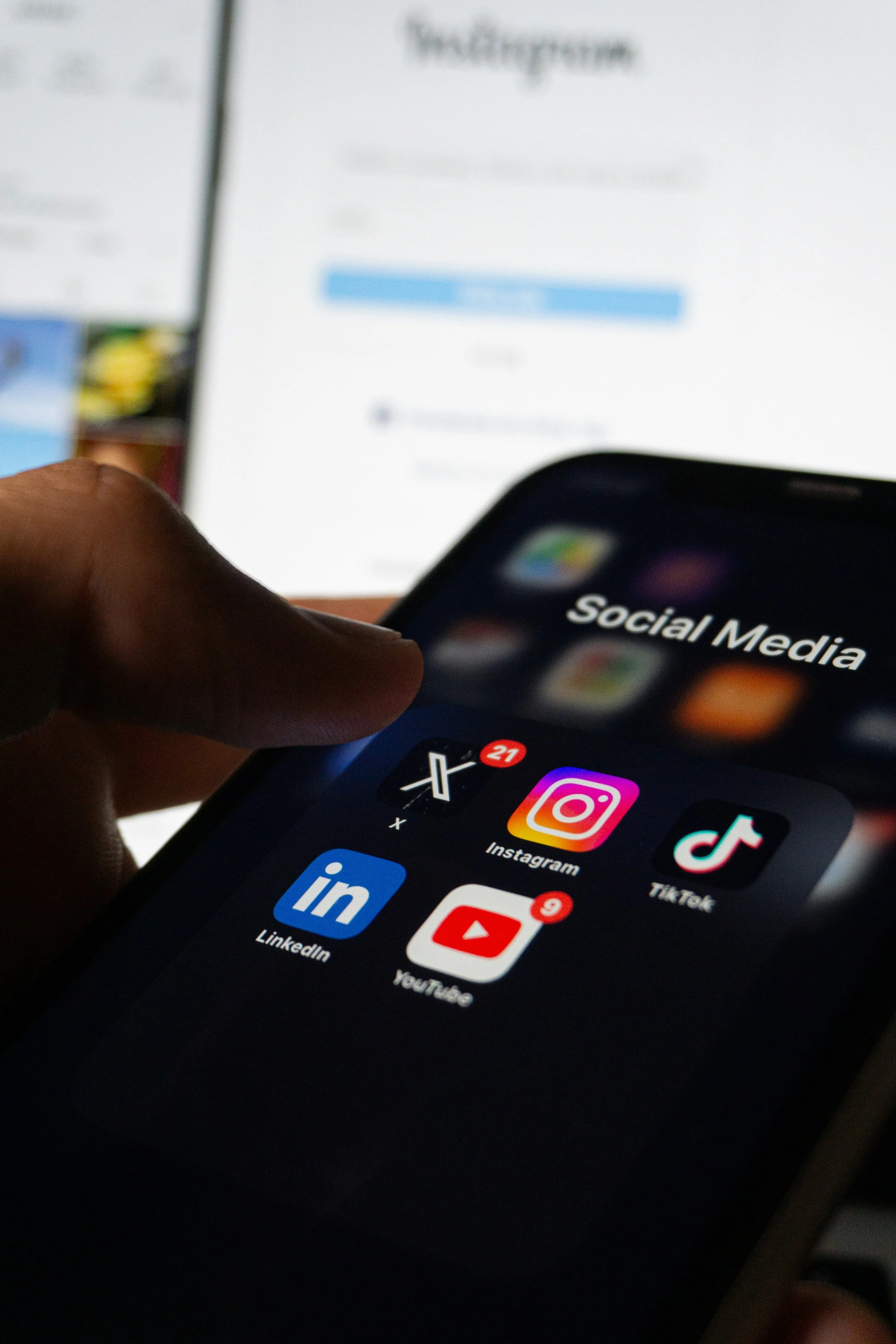
Photo by Berke Citak on Unsplash
As we reach the end of the school year, academic burnout begins to lurk in the shadows. Students become glued to their laptops and forget what once fulfilled them. For many, hobbies are no longer a part of daily life and haven’t been for a long time.
What once defined one's identity and personal fulfillment has become increasingly overshadowed by academic pressure, career goals and the ever-present need to be online. While this shift is widespread, the story behind it reveals just how deeply students feel this loss.
Matt Eastman ‘26 first noticed this change through his own screen time. “I think I started to notice it more when I realized I was spending so much time scrolling on my phone,” Eastman explained. “Ironically, I came across a video on TikTok talking about how you get nothing out of scrolling, whereas in a hobby, you are learning a new skill, using your brain and doing something more productive.”
Eastman, like many students, has become aware of how unfulfilling a passive habit can be.
However, for some students, the loss of hobbies is not about distraction but a shift in lifestyle. President of Marist Red Ink, Liv Bingham ‘26, has spent years committed to her passion for art.
“I’ve always been passionate about drawing and painting, and as far back as I can remember, not a week passed that I didn’t spend at least one night working on some form of artwork,” Bingham said.
Yet since arriving at college, this once consistent hobby has nearly disappeared for Bingham.
“Since my freshman year of college, I’ve added maybe four pages,” Bingham said, while describing her sketchbook that once had an abundance of activity.
This change could be attributed to a lack of time, not a change in passion.
“While my interest in my hobby didn’t necessarily fade, my ability to actually engage with it came to a pretty abrupt halt in August of 2023, when I first arrived on the Marist campus,” Bingham explained. “Between classes, clubs and especially homework, the time that I used to have to sit and draw for hours has dwindled to practically nothing.”
For some students, when time does become available, the need to stay productive can push their hobbies aside. College students are frequently told to focus on their resumes and on building professional experience through clubs and internships, which can make many hobbies feel unjustified.
“It can be hard to rationalize a hobby that has no return beyond pleasure when there’s a plethora of other pressures to spend time more productively in the eyes of our current society,” Eastman added.
Students are actively searching for a solution to stay in touch with themselves. For Eastman, reconnecting with hobbies came with a realization.
“A mix of fear of regretting wasted time and aiming to reduce my anxiety/stress levels is what encouraged me to get into more hobbies,” he said.
Bingham echoed this sentiment, explaining, “It sometimes feels like everything I do is out of necessity, rather than actual passion.”
Through Bingham’s leadership in Marist Red Ink, she hopes to give students an outlet. “Members feel more encouraged to come and engage with their hobbies because they are gaining priority points, but in doing so, they are able to have a moment to relax and engage with the hobbies that they might otherwise feel guilty for taking time to pursue.”
In the end, both students reach the same conclusion: a balance between academic demands and one’s personal life is missing.
In a culture increasingly driven by achievement, hobbies can seem secondary, but students’ experiences suggest otherwise. Finding a way to reclaim these passions may be one of the most important steps students can take towards a more fulfilling college experience.